Exosome Nucleic Acid Loading Service
Extracellular vesicles (EVs), particularly exosomes, have emerged as the frontier of biological drug delivery. Their inherent ability to traverse biological barriers, low immunogenicity, and natural homing tendencies make them ideal candidates for delivering complex therapeutic payloads. However, the transition from a promising concept to a functional therapeutic reality hinges on one critical challenge: efficient cargo loading.
Leveraging years of optimization in microfluidics, electroporation, and chemical transfection, we provide a robust platform for encapsulating siRNA, miRNA and mRNA into EVs. Our services are strictly aligned with the MISEV2023 (Minimal Information for Studies of Extracellular Vesicles) guidelines, ensuring that our clients receive not just a product, but data of publication and IND-filing quality. Creative Biostructure provides an end-to-end exosome (extracellular vesicle, EV) nucleic acid loading service designed for researchers who need reproducible EV engineering, transparent documentation, and MISEV2023-aligned characterization. We support both pre-isolated EV loading and producer-cell engineering workflows, with flexible options for source selection, loading strategy, purification, QC, and downstream functional readouts.
Why Nucleic Acid Loading into Exosomes
Exosomes and other small EVs offer a biologically relevant carrier for nucleic acids due to their nanoscale size, membrane protection, and native trafficking pathways. In practice, EV loading can be challenging because performance depends on EV source, nucleic acid chemistry and length, loading method, purification steps, and measurement strategy. Our service is built to help you:
- Improve encapsulation/association consistency (batch-to-batch reproducibility)
- Reduce free nucleic acid carryover through validated purification
- Obtain fit-for-purpose characterization aligned with MISEV2023 expectations
- Receive clear, audit-ready reports (materials, methods, QC, and interpretation)
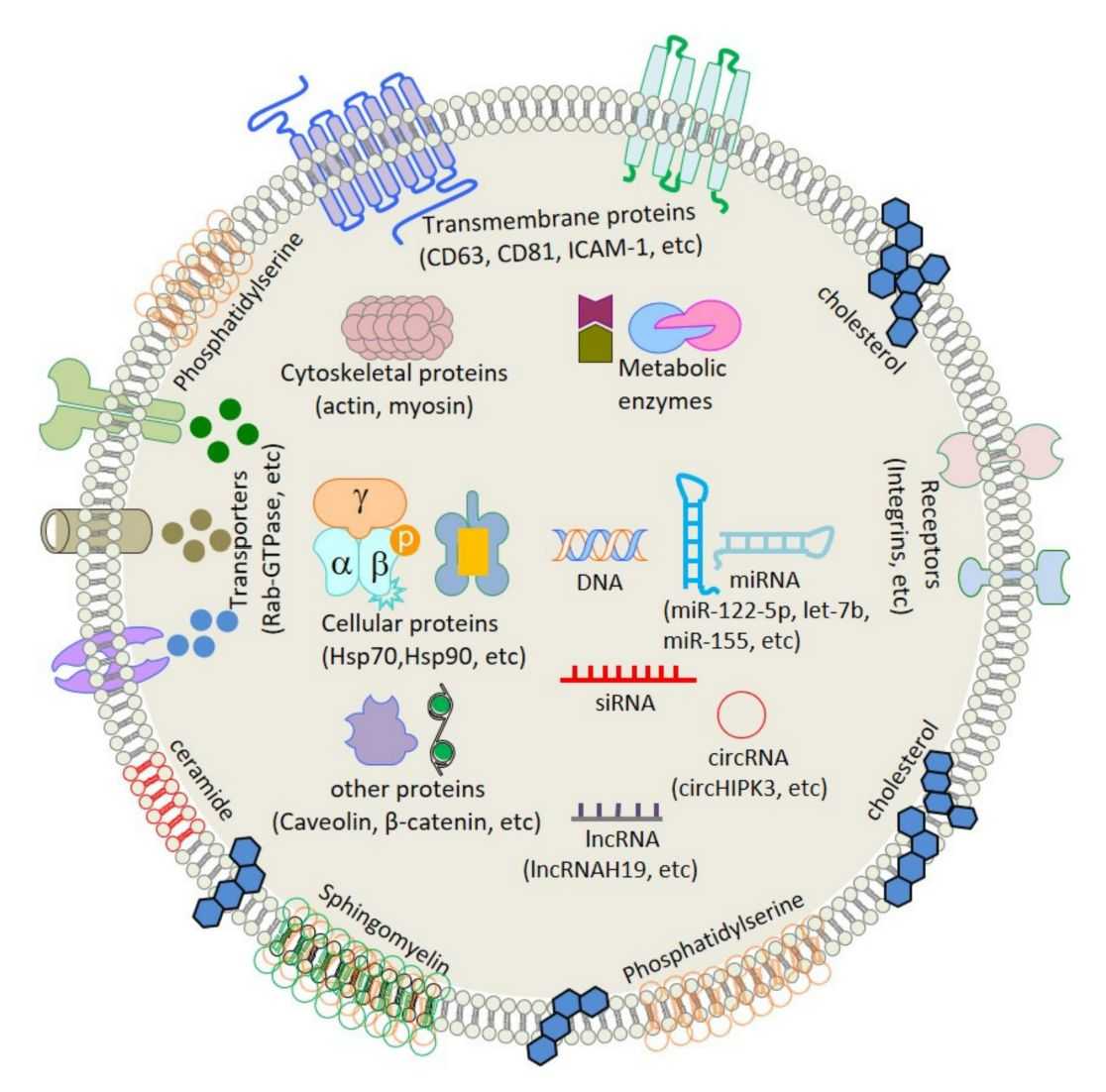
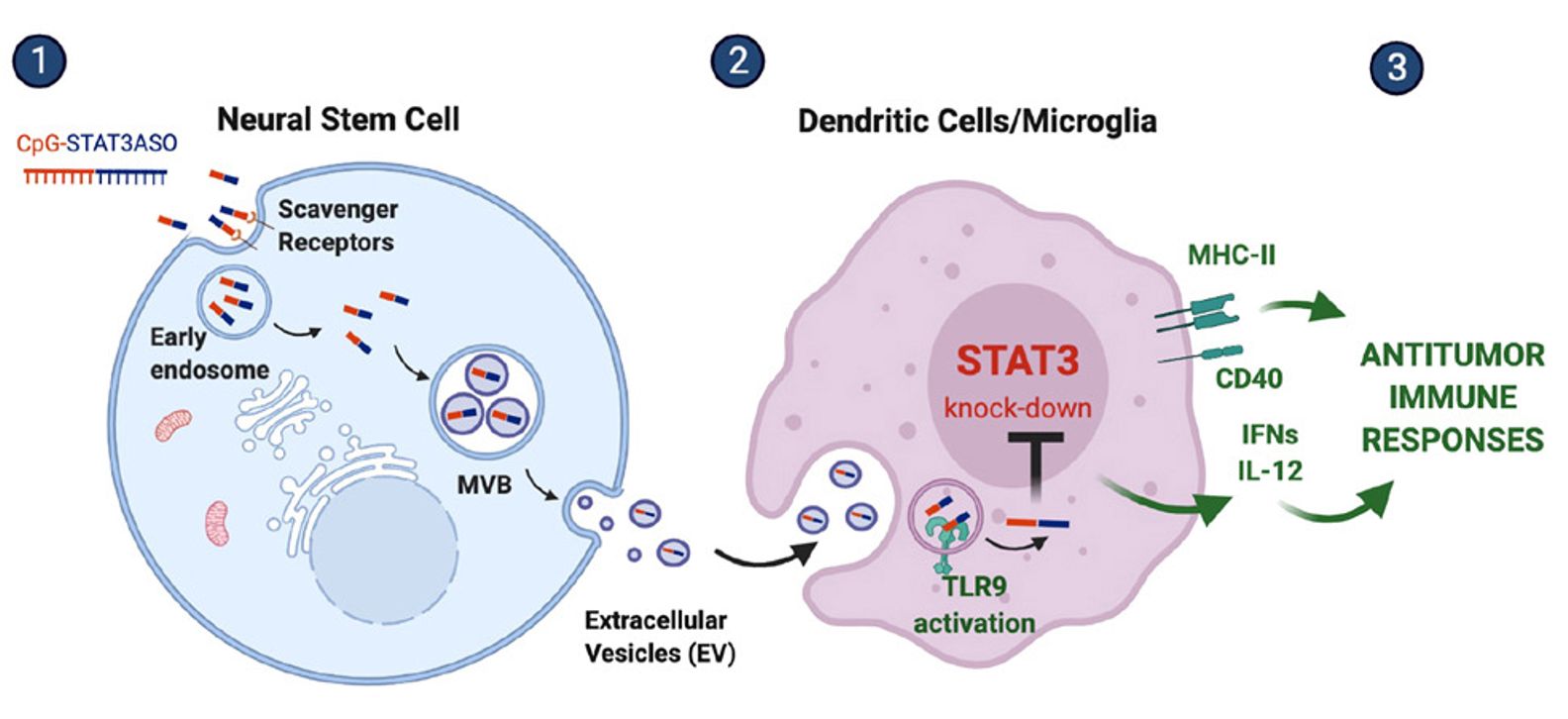
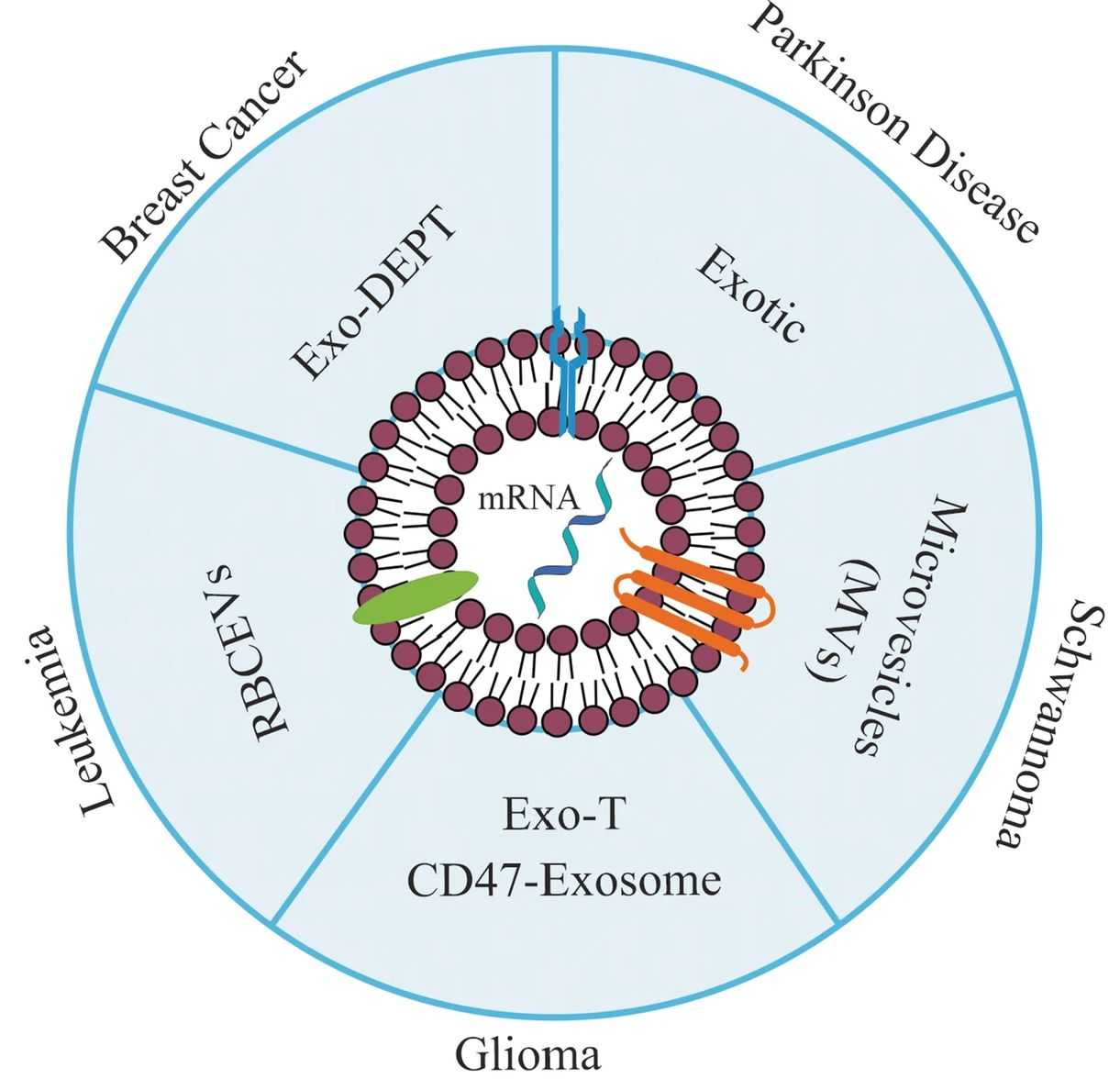
 Figure 1. Advances in Exosome-Based Nucleic Acid Delivery for Cancer Therapy. (Zhang Y, et al., 2022)
Our Service Overview: Two Loading Routes
Route A: Loading into Pre-Isolated EVs (Post-Isolation Engineering)
Best when you already have EVs (or request EV production from us) and want controlled, fast iteration on loading conditions.
Supported methods (fit-for-sample selection):
- Electroporation-based loading (commonly used for siRNA/oligos; optimization is crucial to reduce aggregation)
- Chemical transfection/reagent-assisted loading (gentler for some cargos; requires stringent removal of residual reagents)
- Passive incubation / membrane association (useful for some hydrophobically modified oligos or surface association studies)
- Sonication or extrusion-assisted loading (can increase association for certain cargos; may alter EV integrity if over-applied)
- Freeze–thaw-assisted approaches (used cautiously due to potential membrane perturbation)
Route B: Producer-Cell Engineering (Endogenous Packaging)
Best when you want EVs that are naturally enriched with nucleic acids through cellular expression or uptake processes.
Supported strategies:
- Transient or stable expression (e.g., miRNA/mRNA expression systems)
- Cell treatment-based cargo enrichment (when applicable and scientifically justified)
- Optional ligand/display engineering (for research targeting studies; subject to feasibility)
We help you choose the route based on your cargo type, desired readout, timeline, regulatory expectations for documentation, and risk tolerance for EV perturbation.
Nucleic Acids We Support
- siRNA / shRNA (research formats)
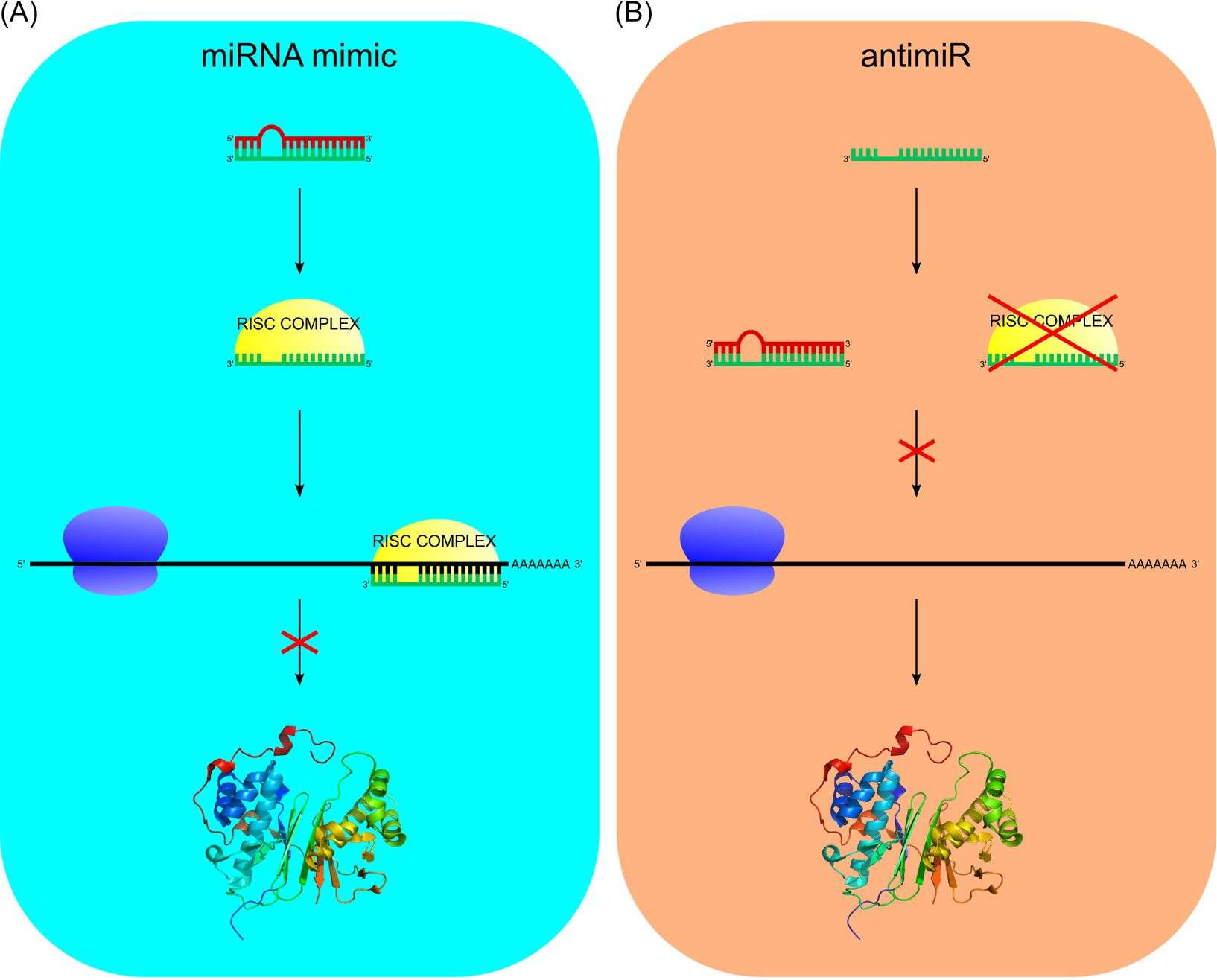
- miRNA mimics / inhibitors
- Antisense oligonucleotides (ASO), including modified chemistries
- mRNA (size-dependent feasibility assessment)
- Plasmid DNA (loading and measurement plan required; often demands tailored methods)
- Custom oligos (fluorescently labeled, biotinylated, cholesterol-tagged, etc.)
Note: Loading outcomes differ for "encapsulation" vs "surface association." We explicitly define and measure the form you care about, using orthogonal methods whenever possible.
MISEV2023-Aligned Characterization and Documentation
MISEV2023 emphasizes transparent reporting, appropriate controls, and multi-parameter EV characterization. Our default QC package is designed around these principles, and we tailor it to your intended use.
1) EV Identity and Particle/Size Metrics
- Nanoparticle tracking analysis (NTA) or equivalent particle concentration and size distribution
- Protein quantification (e.g., total protein) to support particle-to-protein interpretation
- Morphology imaging (TEM or cryo-TEM option, when appropriate)
2) EV Marker Assessment (Positive and Negative Markers)
- Positive marker panel commonly used for small EVs (e.g., tetraspanins such as CD9/CD63/CD81; other markers as appropriate to your source)
- Negative/contaminant markers to evaluate non-EV impurities (e.g., non-vesicular protein complexes or cellular contaminants, assay selection depends on production route)
3) Purity/Contamination Awareness (Fit-for-Purpose)
Depending on your EV source and isolation method, we can assess:
- Residual protein/lipoprotein-like contaminants (especially relevant for some biofluids)
- Residual loading reagents (for chemical-assisted workflows)
- Free nucleic acid carryover post-purification
4) Nucleic Acid Loading Verification (Orthogonal Approach)
We design a measurement plan that matches your cargo and interpretation needs:
- qPCR/RT-qPCR (for miRNA/siRNA; after nuclease protection or fractionation strategies when appropriate)
- Fluorescence quantification (when labeled cargo is supplied; includes background controls)
- Digital PCR (optional) for higher precision
- Nuclease protection assays (to help distinguish protected vs accessible cargo)
- Density/SEC fraction profiling (optional) to confirm co-elution with EV fractions
5) Controls Recommended for Credible Interpretation
To avoid misleading "loading" conclusions, we can incorporate controls such as:
- Cargo-only control processed through purification
- EV-only control
- Spike-in recovery controls
- Nuclease-treated vs untreated comparisons
- Orthogonal measurement confirmation (e.g., fluorescence + qPCR)
Deliverable: A MISEV-aware report summarizing methods, QC results, control outcomes, and recommended data interpretation statements suitable for manuscripts and internal records.
Exosome Nucleic Acid Encapsulation Workflow
Project Review & Study Design
Cargo type, EV source, assay goals, and dose metrics defined upfront
EV Sourcing & Preparation
Use client-supplied EVs or produce EVs through controlled cell culture workflows
Loading Strategy & Optimization
Select the best loading method and optimize key parameters in small-scale pilot studies
Purification & QC Verification
Remove free cargo and verify EV identity, particle profile, markers, and loading performance
Functional Testing & Delivery
Optional uptake/function assays, followed by aliquoting, cold-chain shipment, and storage guidance
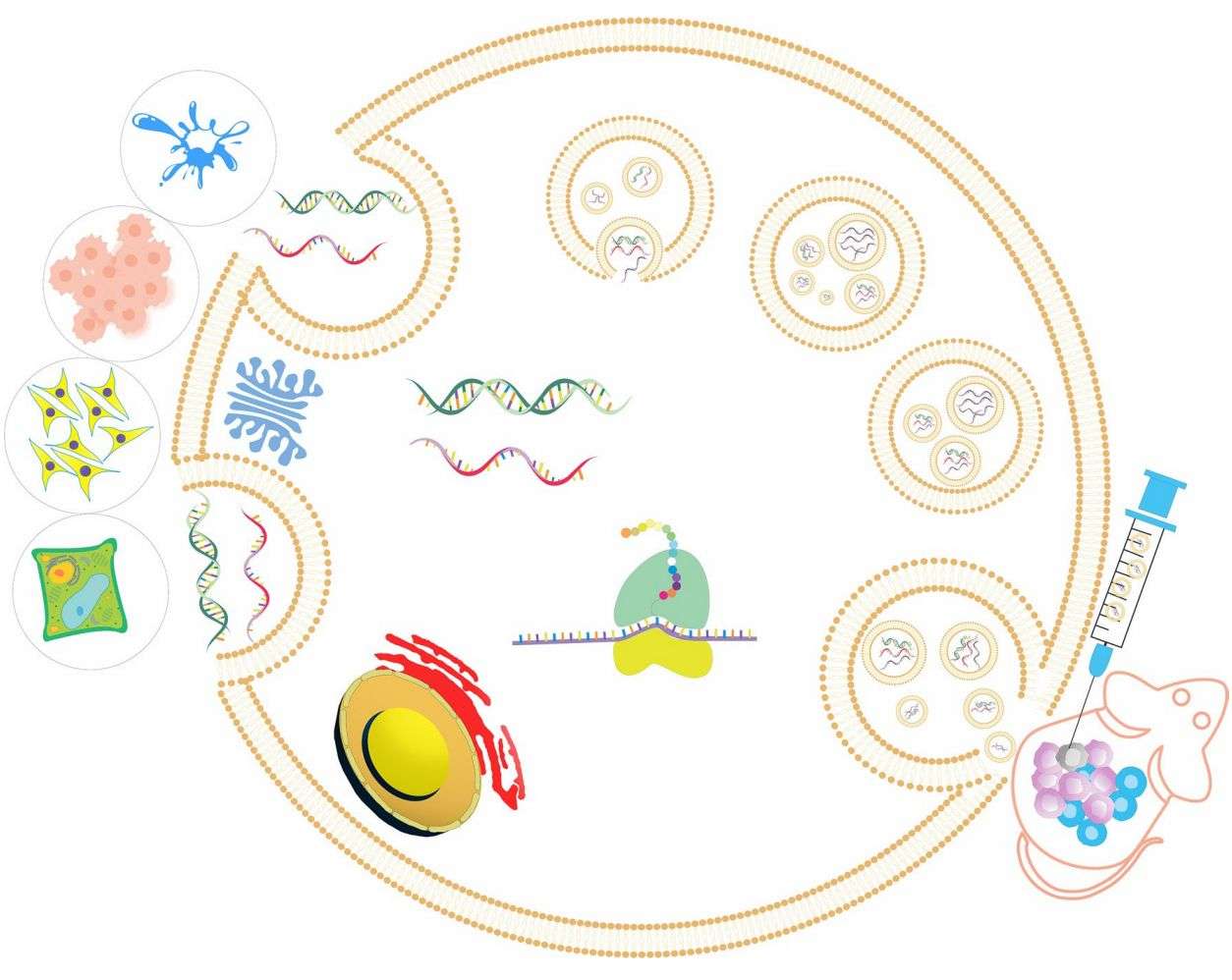
 Figure 2. Exosome Nucleic Acid Loading Service Workflow. (Creative Biostructure)
What Deliverables Will You Receive
- Loaded EV preparation (quantity based on project scope)
- QC data package aligned with MISEV2023 expectations (fit-for-purpose)
- Methods and batch documentation (materials, instruments, parameters, acceptance criteria)
- Consultation notes on how to report results and controls in publications
Applications (Research Use Only)
- EV-mediated gene regulation studies (siRNA/miRNA/ASO)
- Mechanism-of-uptake and intracellular trafficking experiments
- Biomarker workflow validation using engineered EV standards
- Assay development requiring consistent EV-associated RNA content
- Comparative studies across EV sources and loading methods
We do not position outputs as clinical products. All materials are supplied for research and assay development.
How to Start: Information to Share
To accelerate feasibility assessment, please provide:
- Nucleic acid type, length, modifications, and concentration
- Labeling (if any) and detection preferences
- Desired EV source (cell type, biofluid, or your own EV prep)
- Target cell line/model and assay readout
- Preferred dose metric (particles, protein, or cargo copies)
- Any constraints (buffer, endotoxin threshold, serum-free requirement, timeline)
Case Study
Case: Enhanced Nucleic Acid Loading via pH Gradient Modification
Background
Efficient loading of nucleic acids into EVs is often limited by aggregation risks associated with electroporation. This study developed a pH gradient strategy to encapsulate miRNA, siRNA, and ssDNA into HEK293T-derived EVs while preserving vesicle integrity and safety.
Methods
- Protocol: EVs were dehydrated in ethanol, rehydrated in acidic citrate buffer (pH 2.5), and dialyzed against neutral HEPES to establish a transmembrane pH gradient.
- Optimization: Loading efficiency was tested across temperature, time, and internal pH variables using miR-93 and GAPDH siRNA.
- Validation: Functional delivery was assessed via gene knockdown assays in vitro, and safety was monitored in C57BL/6J mice.
Results
- Optimization: Maximal cargo incorporation occurred at 22°C for 2 hours with an internal pH of 2.5. Unencapsulated cargo remained stable and reusable for subsequent loading.
- Efficacy: Loaded EVs achieved 54% GAPDH mRNA knockdown in HEK293T cells and successfully modulated cytokine levels (MIP-2, IL-6) in macrophages.
- Safety: pH-modified EVs maintained morphology and showed no significant systemic toxicity or immune response in vivo.
Conclusion
The pH gradient method offers a scalable, non-destructive alternative to electroporation, enabling high-efficiency encapsulation of functional nucleic acids without compromising in vivo safety or EV uptake capabilities.
 Figure 3. Functional Cargo Delivery by pH Gradient–Modified Extracellular Vesicles. qPCR quantifies cellular GAPDH mRNA after EV exposure, ELISA measures inflammatory readouts (MIP-2 and IL-6) in BMDMs, and immunoblot/densitometry assesses IRAK1 following ds-miR-146a delivery versus controls. (Jeyaram A, et al., 2020)
Share your cargo details and intended application. Our team will propose a recommended loading strategy, QC plan, timeline, and deliverables designed for reproducibility and publication-grade documentation.
At Creative Biostructure, we leverage advanced loading technologies to deliver reliable, MISEV2023-compliant results. Contact us to discuss how our tailored services can accelerate your exosome research.
References
- Zhang Y, Liu Q, Zhang X, et al. Recent advances in exosome-mediated nucleic acid delivery for cancer therapy. Journal of Nanobiotechnology. 2022, 20(1): 279.
- Jeyaram A, Lamichhane T N, Wang S, et al. Enhanced loading of functional miRNA cargo via pH gradient modification of extracellular vesicles. Molecular Therapy. 2020, 28(3): 975-985.
Frequently Asked Questions
For any inquiries, our support team is ready to help you get technical support for your research and maximize your experience with Creative Biostructure.