Exosome Membrane Fusion and Hybridization Service
Membrane fusion is a highly effective strategy in exosome engineering, combining the natural biocompatibility and cellular targeting abilities of exosomes with the drug-loading capacity and surface customization of synthetic membranes. By fusing exosomes with liposomes, cell membranes, or other lipid-based nanocarriers, hybrid vesicles can be created for enhanced therapeutic applications.
At Creative Biostructure, we offer advanced exosome membrane fusion and hybridization services using validated fusion technologies to design custom hybrid vesicles. Our solutions help overcome drug loading limitations, incorporate specific membrane proteins, and create multifunctional nanocarriers for targeted delivery, stealth properties, and therapeutic payloads, all backed by rigorous characterization for preclinical success.
Why Native Exosomes Are Not Always Enough
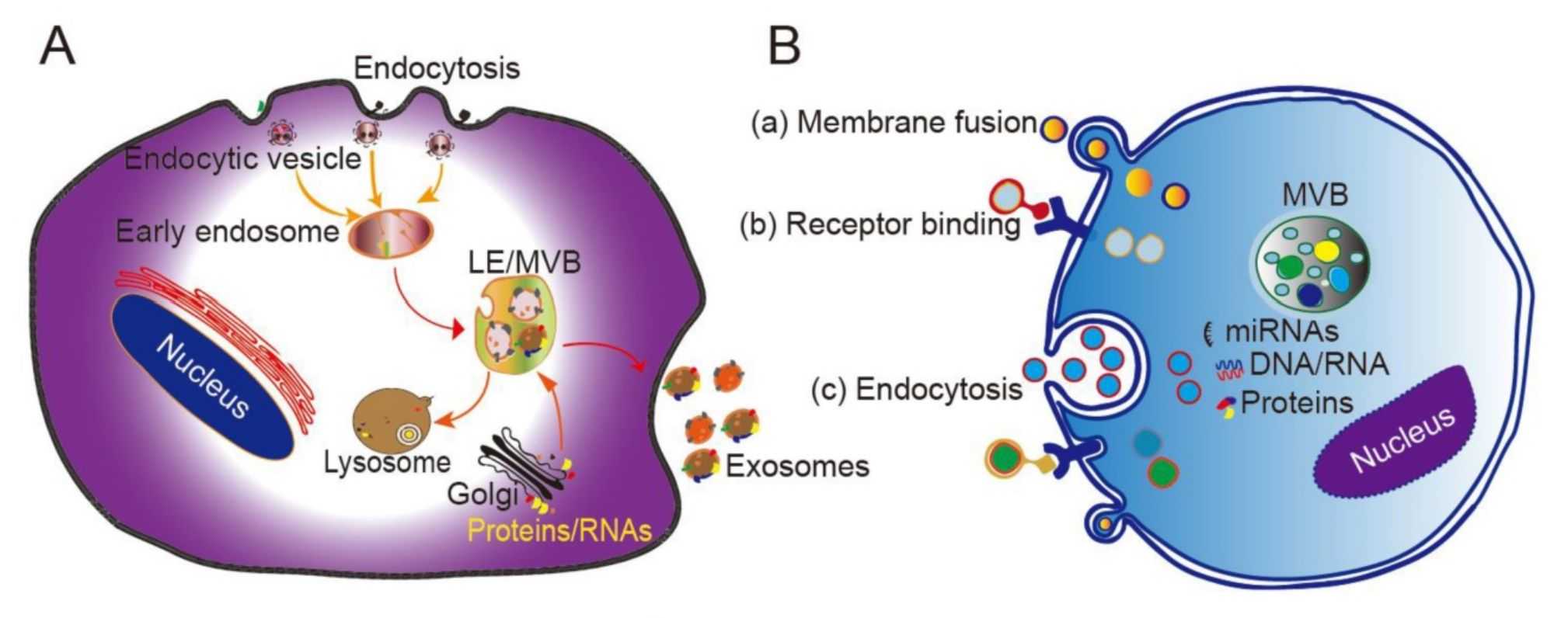
Native exosomes carry considerable advantages—low immunogenicity, natural cell-homing behavior, and inherent endosomal escape capacity. Yet they present well-documented limitations:
- Low drug loading efficiency: Small aqueous lumen and rigid membrane composition restrict encapsulation of hydrophilic macromolecules and large nucleic acid constructs.
- Batch variability: Biological production from heterogeneous cell populations introduces compositional variation that complicates reproducibility.
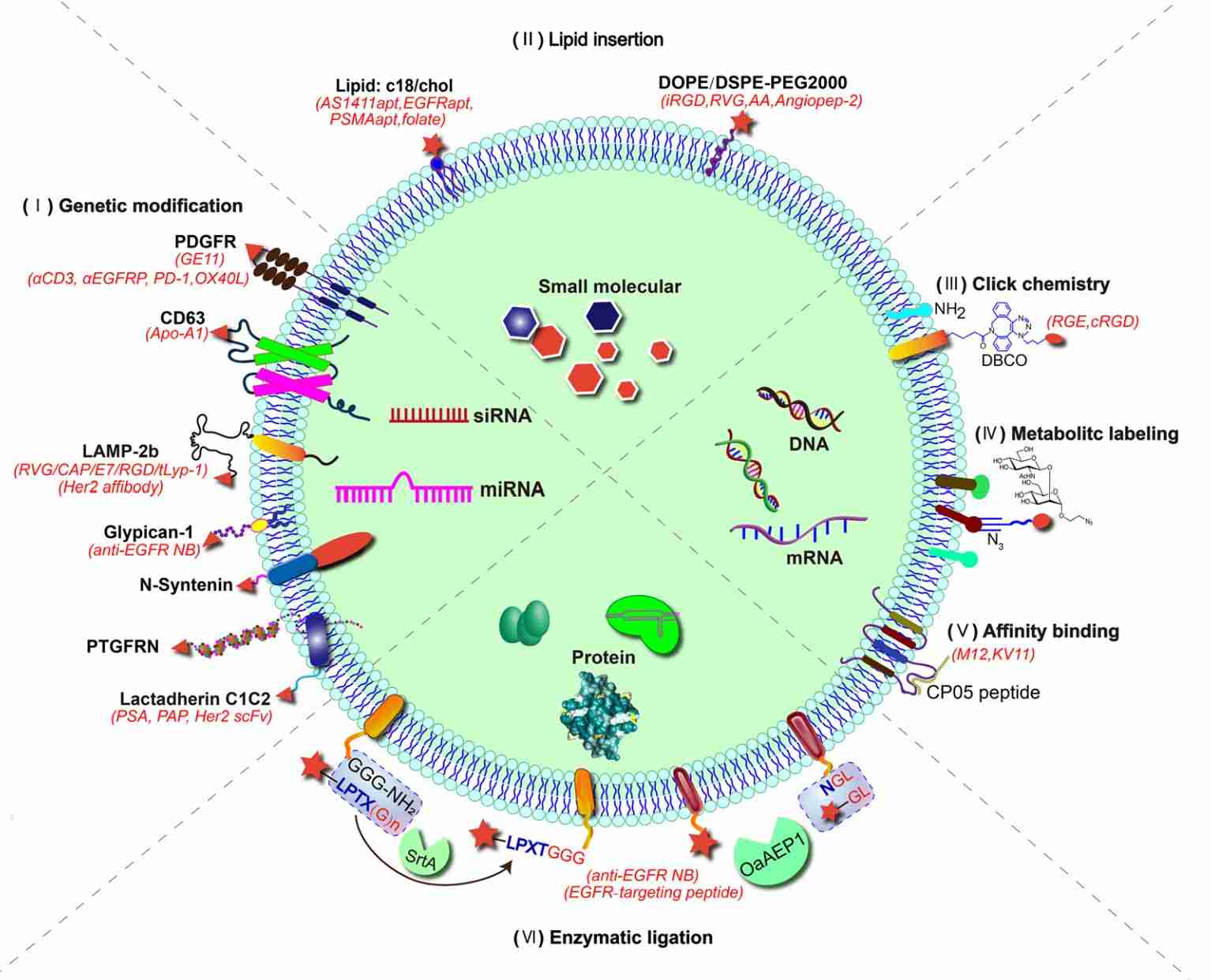
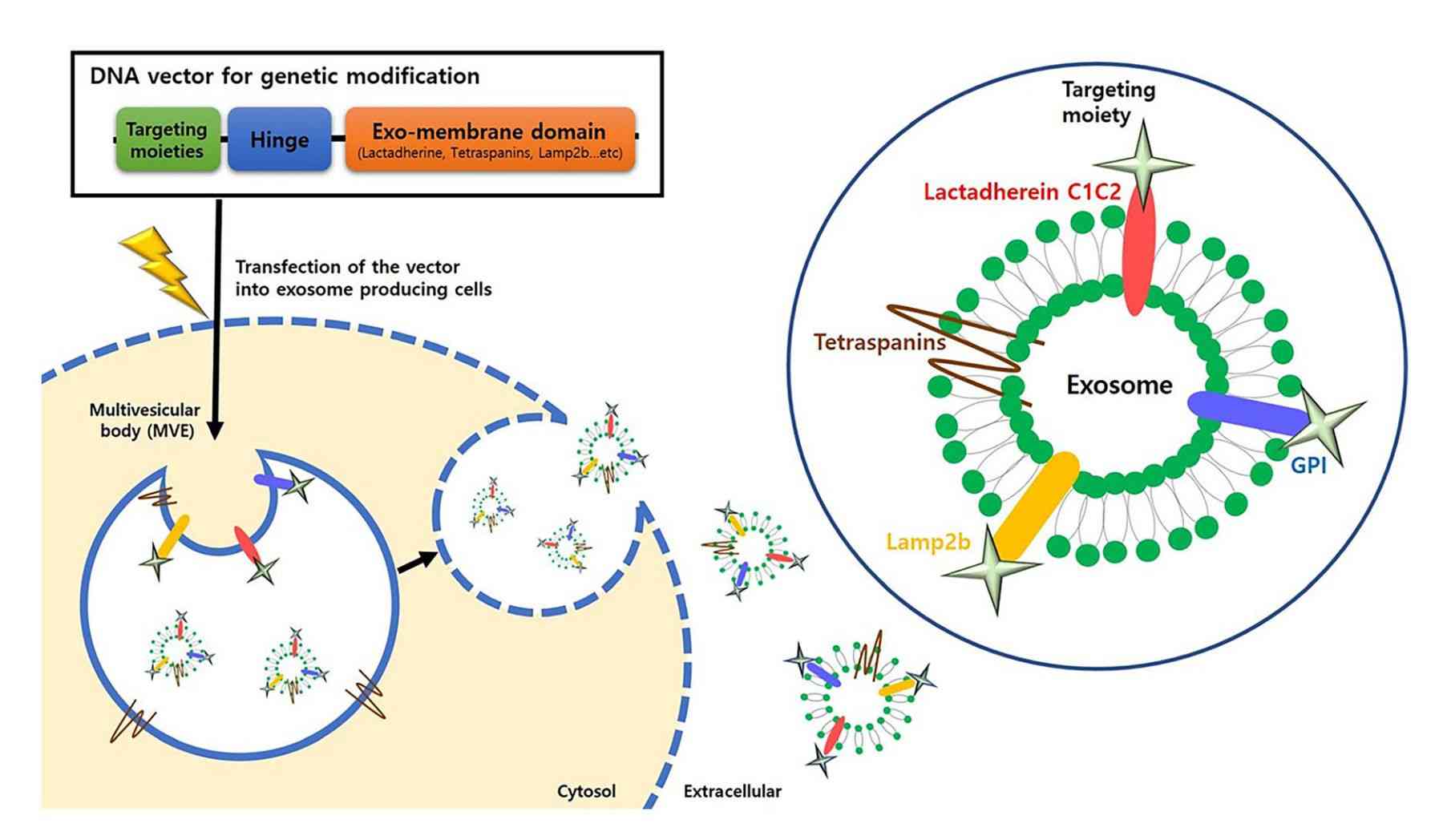
- Limited surface programmability: Native exosome surfaces are biologically fixed; introducing synthetic targeting moieties often requires harsh chemical modifications.
- Restricted cargo diversity: Certain small-molecule drugs, photosensitizers, and inorganic agents cannot be efficiently loaded via passive or electroporation methods alone.
Membrane fusion hybridization directly addresses these limitations by merging exosome membranes with engineered lipid vesicles or cell membranes, creating hybrid architectures that preserve the biological identity of exosomes while unlocking the versatility of synthetic nanotechnology.
What Are Hybrid Exosomes?
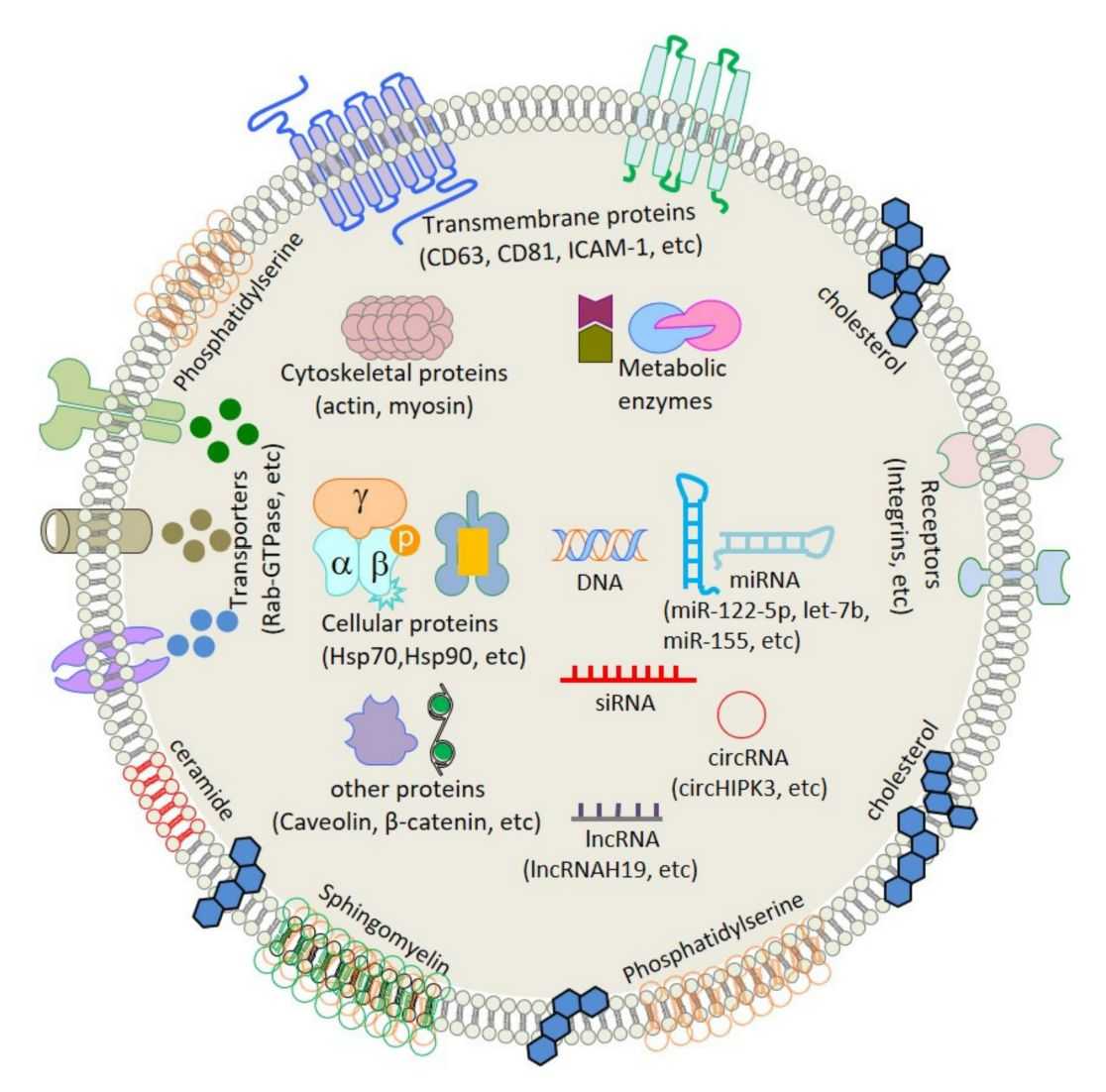
Hybrid exosomes (also termed exosome-liposome hybrid nanoparticles, membrane-fused hybrid vesicles, or biomimetic hybrid nanocarriers) are vesicular structures produced by the physical integration of exosome membranes with one or more external lipid or membrane components. The fusion process results in a hybrid bilayer containing:
- Exosome-derived membrane proteins (tetraspanins CD9, CD63, CD81; integrins; cell-type-specific surface antigens)
- Lipid components from the fusion partner (phospholipids, cholesterol, functional lipid head groups)
- Expanded aqueous lumen for enhanced cargo encapsulation
- Retained biological targeting capacity from the exosome source cell
- Engineered surface features from the fusion partner (PEGylation, ligand conjugation, responsive lipids)
This dual-origin architecture positions hybrid exosomes as next-generation nanocarriers that transcend the limitations of either component alone.
 Figure 1. Membrane Fusion-Based Hybrid Exosome Preparation. (Liu A, et al., 2022)
Our Membrane Fusion and Hybridization Strategies
We offer five core fusion and hybridization platforms, selected based on cargo type, exosome source, desired hybrid composition, and downstream application.
1. Freeze-Thaw Membrane Fusion
Exosomes and liposomes are co-incubated, rapidly frozen in liquid nitrogen, and thawed at controlled temperature. The freeze–thaw cycle transiently disrupts lipid bilayer integrity, inducing membrane destabilization and spontaneous re-sealing as a fused hybrid structure.
- Validated fusion efficiencies >95% (immunomagnetic bead quantification)
- Compatible with diverse liposome compositions (DPPC, DOPC, cationic, neutral, anionic)
- Enables simultaneous cargo loading during the fusion event
Best for: High-efficiency batch fusion with flexible lipid composition
2. Extrusion-Based Membrane Hybridization
Exosomes and liposomes are co-extruded through polycarbonate membranes of defined pore size (typically 100–400 nm) following brief probe sonication. Sequential extrusion forces membrane reorganization and bilayer coalescence, producing hybrid vesicles with narrow, well-defined size distributions.
- Produces hybrid vesicles with uniform particle size (PDI <0.2 achievable)
- Minimizes large aggregates; suitable for in vivo biodistribution studies
- Scalable to preparative volumes
Best for: Size-controlled hybrid vesicle production for preclinical studies
3. PEG-Mediated Chemical Fusion
Polyethylene glycol (PEG) at defined concentrations (typically 30–40% w/v PEG 6000–8000) is used to osmotically dehydrate and bring exosome and liposome bilayers into close proximity, promoting protein-free membrane hemifusion and full fusion. PEG is subsequently removed by dialysis or SEC.
- Preserves membrane protein topology and orientation
- Milder than freeze–thaw; reduces risk of cargo leakage
- Can incorporate PEG lipids into the hybrid membrane simultaneously for stealth effect
Best for: Gentle fusion with sensitive membrane proteins or labile cargo
4. Cell Membrane Hybridization
Isolated plasma membranes from specific donor cell types (e.g., tumor cells, macrophages, platelets, red blood cells, T cells) are co-extruded or co-incubated with exosomes to generate cell membrane-hybrid vesicles. This approach transfers donor cell surface antigens and functional membrane proteins onto the exosome surface, enabling cell-type mimicry and immune evasion.
| Donor Cell Type | Key Transferred Properties | Primary Application |
|---|---|---|
| Tumor cell membrane | Homotypic targeting antigens (EGFR, HER2, CD44) | Cancer cell-selective delivery, immune camouflage |
| Macrophage membrane | Anti-phagocytic signals (CD47), PRRs, homing receptors | Anti-inflammatory cargo delivery, long circulation |
| Platelet membrane | P-selectin, GPIbα, CD62P; enhanced endothelial/cardiac binding | Cardiovascular targeting, thrombus-directed delivery |
| RBC membrane | CD47 (self-marker), glycophorin; extended blood half-life | Long-circulation systemic delivery |
| T cell membrane | TCR components; tumor-infiltrating capacity | Tumor immunotherapy research |
| MSC-derived membrane | Homing receptor CXCR4, CD44, CD29 | Bone marrow, injury-site targeting |
5. Fusogenic Liposome-Mediated Loading and Hybridization
Cationic or pH-sensitive fusogenic liposomes pre-loaded with therapeutic cargo are fused with exosomes under controlled conditions. The fusion event simultaneously loads cargo into the hybrid vesicle interior and enriches the membrane with exosome-derived surface proteins, combining efficient encapsulation with biological membrane identity.
- Enables loading of large macromolecules: plasmid DNA
- Supports encapsulation of hydrophobic payloads (chemotherapeutics, photosensitizers, hydrophobic oligonucleotides)
- Cationic fusogenic lipids (DOTAP, DOPE) enable high encapsulation efficiency via electrostatic interaction
Best for: Simultaneous hybridization and payload loading for nucleic acid and gene therapy research
Fusion Strategy Comparison
| Strategy | Fusion Mechanism | Size Control | Cargo Retention | Membrane Protein Preservation | Best Use Case |
|---|---|---|---|---|---|
| Freeze-Thaw | Ice crystal-induced bilayer disruption | Moderate | Good | Good | High-throughput batch production |
| Extrusion | Shear force–driven bilayer coalescence | Excellent (PDI <0.2) | Good | Moderate | Uniform size, preclinical studies |
| PEG-Mediated | Osmotic dehydration/bilayer contact | Moderate | Excellent | Excellent | Sensitive cargo and proteins |
| Cell Membrane | Co-extrusion/incubation-based bilayer integration | Good | N/A | Excellent | Biomimetic surface display |
| Fusogenic Lipo | Electrostatic/pH-driven bilayer merger | Variable | Excellent (large cargo) | Good | Large nucleic acid delivery |
Service Workflow
- Consultation & Feasibility Assessment: Evaluate research goals, target application, exosome source, and cargo requirements to recommend the best fusion strategy.
- Exosome Production or Sample Assessment: Produce exosomes from specified cell lines or assess client-provided samples for concentration, size, identity, and purity.
- Fusion Partner Preparation: Prepare liposomes or isolate cell plasma membranes with specific lipid composition and surface chemistry.
- Cargo Loading (If Applicable): Load therapeutic or reporter cargo into exosomes or liposomes using the most effective encapsulation method.
- Membrane Fusion Execution: Execute fusion strategy (freeze-thaw, extrusion, etc.) under optimized conditions for maximum efficiency.
- Purification of Hybrid Vesicles: Purify hybrid vesicles by removing unfused components, excess cargo, and reagents using SEC or ultracentrifugation.
- Characterization & Delivery: Verify hybrid vesicle identity, fusion efficiency, and functionality, then deliver samples with full documentation and support.
 Figure 2. Exosome Membrane Fusion and Hybridization Service Workflow. (Creative Biostructure)
Characterization and Quality Control
| QC Parameter | Method |
|---|---|
| Fusion efficiency quantification | FRET-based fluorescence assay (lipid-dye transfer), immunomagnetic bead pull-down with flow cytometric fluorescence readout |
| Particle size and distribution | NTA and DLS; PDI assessment before and after fusion |
| Morphology | TEM with negative staining; cryo-EM for membrane structure visualization |
| Zeta potential | Surface charge assessment confirming hybrid membrane character |
| Exosome marker retention | Western blot for CD9, CD63, CD81, TSG101; confirms preservation of exosomal membrane protein identity |
| Lipid composition analysis | TLC or mass spectrometry lipidomics for hybrid membrane composition verification |
| Cargo encapsulation efficiency | Fluorescence quantification (for labeled cargo), HPLC (for small molecules), or RT-qPCR (for nucleic acids) |
| Functional binding/targeting assay | Cell-based uptake studies by confocal microscopy and flow cytometry using target-positive vs. control cell lines |
| Stability testing | Colloidal stability in PBS and serum over defined time points; cargo retention under storage conditions |
Applications of Hybrid Exosomes
Membrane-fused hybrid vesicles unlock research and preclinical applications that native exosomes or liposomes cannot achieve alone:
| Application Area | Hybrid Strategy | Advantage |
|---|---|---|
| Chemotherapy co-delivery | Exosome + drug-loaded liposome fusion | Overcoming MDR via exosome-mediated cellular uptake; combination hydrophilic/hydrophobic drug loading |
| siRNA / miRNA delivery | Cationic fusogenic liposome fusion | High nucleic acid loading + biological targeting from exosome surface proteins |
| Photodynamic / photothermal therapy | Photosensitizer-loaded liposome + tumor exosome | Homotypic tumor targeting + high photosensitizer loading beyond native exosome capacity |
| Biomimetic cell membrane display | Tumor/immune cell membrane hybridization | Surface antigen transfer enabling immune evasion, homotypic targeting, or immune activation |
| BBB-crossing drug delivery | T cell or RBC membrane hybrid + CNS-targeted liposome | Combines long circulation (RBC) or CNS-homing (T cell) with therapeutic loading |
| Cardiovascular targeting | Platelet membrane-hybrid exosome | P-selectin-mediated endothelial and thrombus targeting for cardiac drug delivery |
| Responsive cargo release | Thermosensitive / pH-sensitive liposome fusion | Stimulus-triggered release at tumor microenvironment or thermal activation site |
| Liquid biopsy / diagnostics | Diagnostic liposome + exosome hybridization | Amplified exosome signal readout for disease biomarker detection in clinical samples |
How to Start Your Project
We offer flexible project models to accommodate researchers at different stages—from those with well-characterized exosome systems to those seeking fully integrated hybrid nanocarrier development.
| Option | Description | Best For | What You Need to Provide |
|---|---|---|---|
| Client-Provided Exosomes | We prepare fusion partners (liposomes or cell membranes) and execute hybridization using your exosome samples. | Researchers with proprietary exosome sources |
|
| Client-Provided Liposomes / Fusion Partner | We produce exosomes and execute membrane fusion with your supplied liposomes or cell membrane preparation. | Researchers with characterized lipid formulations |
|
| End-to-End Service (Recommended) | Full-service hybrid vesicle engineering: exosome production, fusion partner preparation, hybridization, characterization, and reporting. | Researchers seeking a turnkey hybrid nanocarrier platform |
|
What Deliverables Will You Receive
| Category | Description |
|---|---|
| Hybrid Exosome Samples | Membrane-fused hybrid vesicles with defined particle concentration, size distribution, volume, and storage conditions |
| Fusion Efficiency Data | FRET or immunomagnetic assay results quantifying the percentage of successfully fused hybrid vesicles |
| Physicochemical Characterization | NTA/DLS size profiles, TEM morphology images, zeta potential data, and purity assessment |
| Exosomal Marker Validation | Western blot data confirming retention of CD9, CD63, CD81, and/or TSG101 in hybrid vesicles |
| Cargo Encapsulation Report (if applicable) | Loading efficiency data for the specified therapeutic or reporter payload |
| Functional Evaluation (optional) | Target cell binding and uptake data comparing hybrid vesicles vs. unmodified exosomes and bare liposomes |
| Methods & Protocol Summary | Key experimental parameters, lipid compositions, fusion conditions, and purification details |
| Full Project Report | Integrated results with data interpretation, QC assessment, and technical commentary |
| Technical Support | Post-delivery consultation for downstream experimental design and troubleshooting |
Why Choose Creative Biostructure
- Five validated fusion platforms: freeze-thaw, extrusion, PEG-mediated, cell membrane hybridization, and fusogenic liposome strategies
- Comprehensive QC: FRET, NTA, TEM, Western blot, and functional assays
- Flexible project models: client components, partial service, or full hybrid nanocarrier development
- Cell membrane hybridization for tumor, macrophage, platelet, RBC, T cell, and MSC membranes
- Integration with surface modification, PEGylation, cargo loading, and antibody conjugation services for multifunctional designs
Case Study
Case: Hybrid Exosomes Deliver CRISPR/Cas9 System for Gene Editing in Mesenchymal Stem Cells
Introduction
Researchers developed hybrid exosomes by incubating liposomes with exosomes to encapsulate large plasmid DNAs, including CRISPR/Cas9 expression vectors. The hybrid exosomes were then tested for their ability to transfect mesenchymal stem cells (MSCs) with the CRISPR system.
Results
- Successful Encapsulation: Hybrid exosomes efficiently encapsulated large plasmid DNAs, including CRISPR/Cas9 vectors, which were difficult to load into native exosomes.
- Enhanced Gene Delivery: The hybrid exosomes successfully delivered CRISPR/Cas9 systems into MSCs, enabling gene editing by knocking down the Runx2 gene.
- Functional Gene Expression: Hybrid exosomes demonstrated significantly improved transfection efficiency and gene expression compared to liposomes alone.
- Targeted Delivery: Hybrid exosomes exhibited excellent cellular uptake and efficient delivery of the CRISPR/Cas9 system into MSCs for targeted gene editing.
 Figure 3. Workflow and qPCR results showing hybrid exosomes deliver CRISPR/dCas9 to MSCs and suppress Runx2 expression. (Lin Y, et al., 2018)
Conclusion
Hybrid exosomes, created by fusing exosomes with liposomes, are an effective solution for delivering large genetic payloads like CRISPR/Cas9 into difficult-to-transfect cells, offering a promising method for gene therapy and editing applications.
Engineer your next-generation hybrid nanocarrier by combining the biological precision of exosomes with the versatile payload capacity of synthetic lipid systems. Our team will design a customized membrane fusion strategy optimized for your specific cargo, target cell type, and research objectives. Contact us to discuss your project and receive a tailored service proposal.
References
- Lin Y, Wu J, Gu W, et al. Exosome-liposome hybrid nanoparticles deliver CRISPR/Cas9 system in MSCs. Advanced Science. 2018, 5(4): 1700611.
- Liu A, Yang G, Liu Y, et al. Research progress in membrane fusion-based hybrid exosomes for drug delivery systems. Frontiers in Bioengineering and Biotechnology. 2022, 10: 939441.
Frequently Asked Questions
For any inquiries, our support team is ready to help you get technical support for your research and maximize your experience with Creative Biostructure.