Exosome Cargo Loading Services
Advanced solutions for efficient encapsulation and delivery of nucleic acids, proteins, peptides, and small molecules using engineered exosome platforms. At Creative Biostructure, we provide comprehensive exosome cargo loading services designed to support diverse research needs, from early-stage discovery to preclinical development. Our platform integrates optimized loading technologies, rigorous quality control, and customizable workflows to ensure high performance and reproducibility.
What Is Exosome Cargo Loading
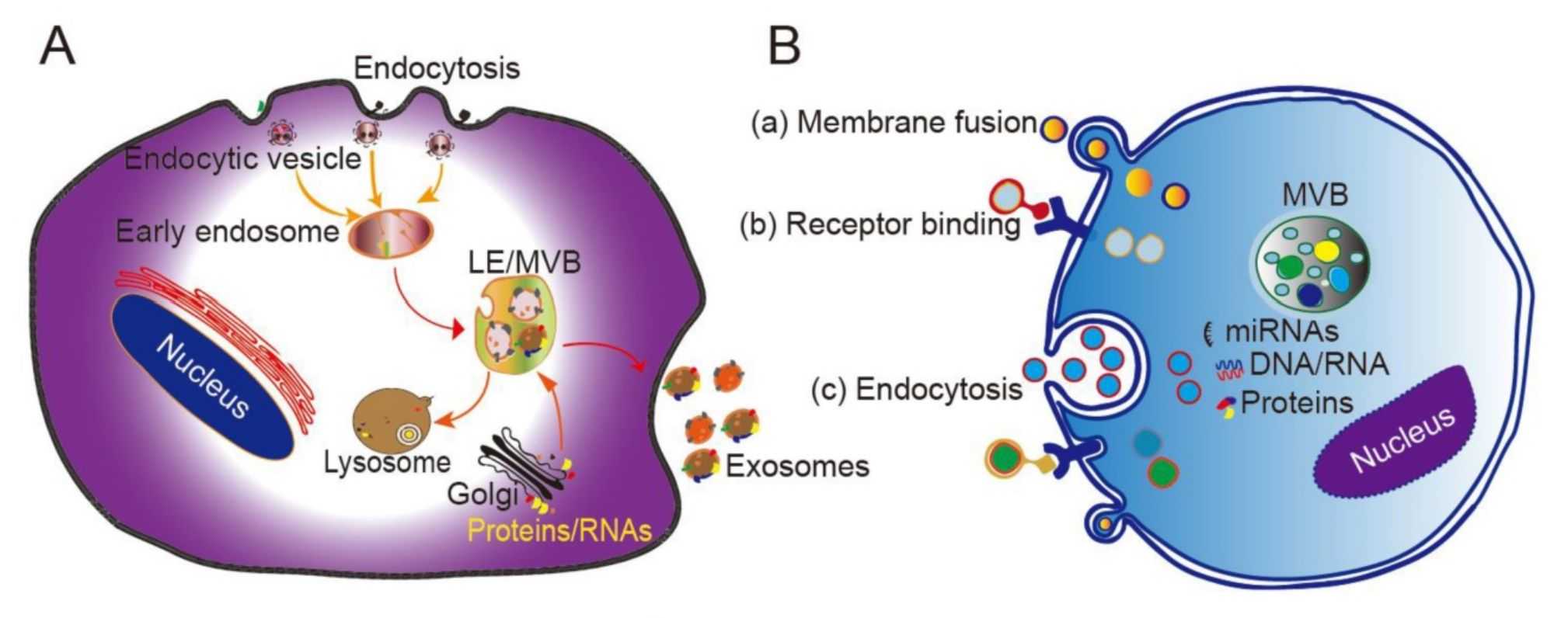
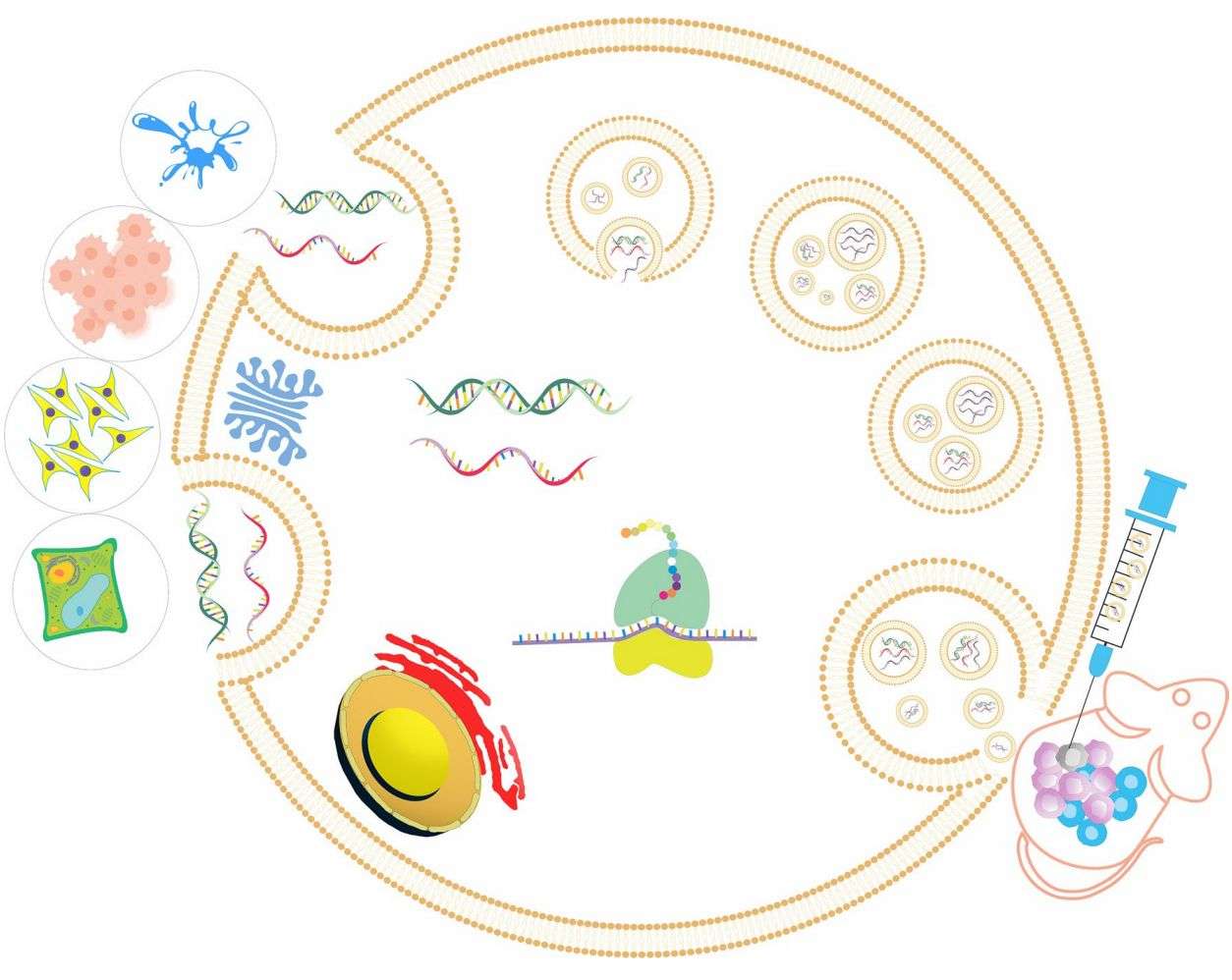
Exosome cargo loading refers to the process of incorporating functional molecules into extracellular vesicles (EVs), enabling their delivery into target cells. As naturally derived nanocarriers, exosomes provide a biologically relevant system for transporting diverse cargos while maintaining structural integrity and functional activity.
Our services support a wide range of cargo types, including:
- Nucleic acids (miRNA, siRNA, mRNA, DNA)
- Proteins and peptides
- Small molecule compounds
- Multi-component or dual cargo systems
Why Use Exosomes for Cargo Delivery
Exosomes offer several advantages over conventional delivery systems, making them highly attractive for research applications:
- Biocompatibility: Derived from biological systems, reducing disruption to cellular environments
- Cargo protection: Shield sensitive molecules from enzymatic degradation
- Enhanced uptake: Facilitate cellular internalization through natural membrane interactions
- Versatility: Adaptable to different cargo sizes, charges, and structures
- Engineering flexibility: Enable surface modification, targeting, and multi-cargo delivery
These features make exosomes suitable for a wide range of applications in molecular and cellular research.
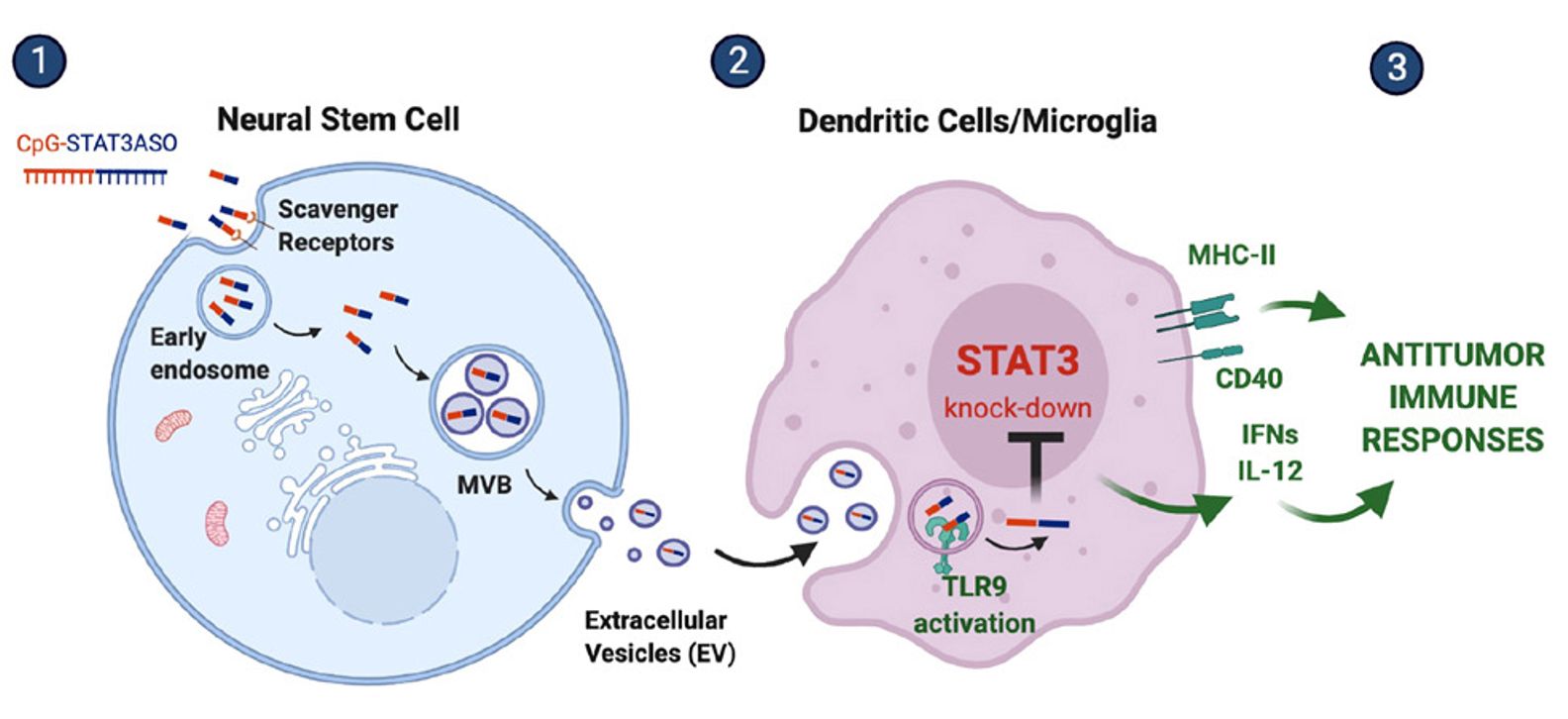
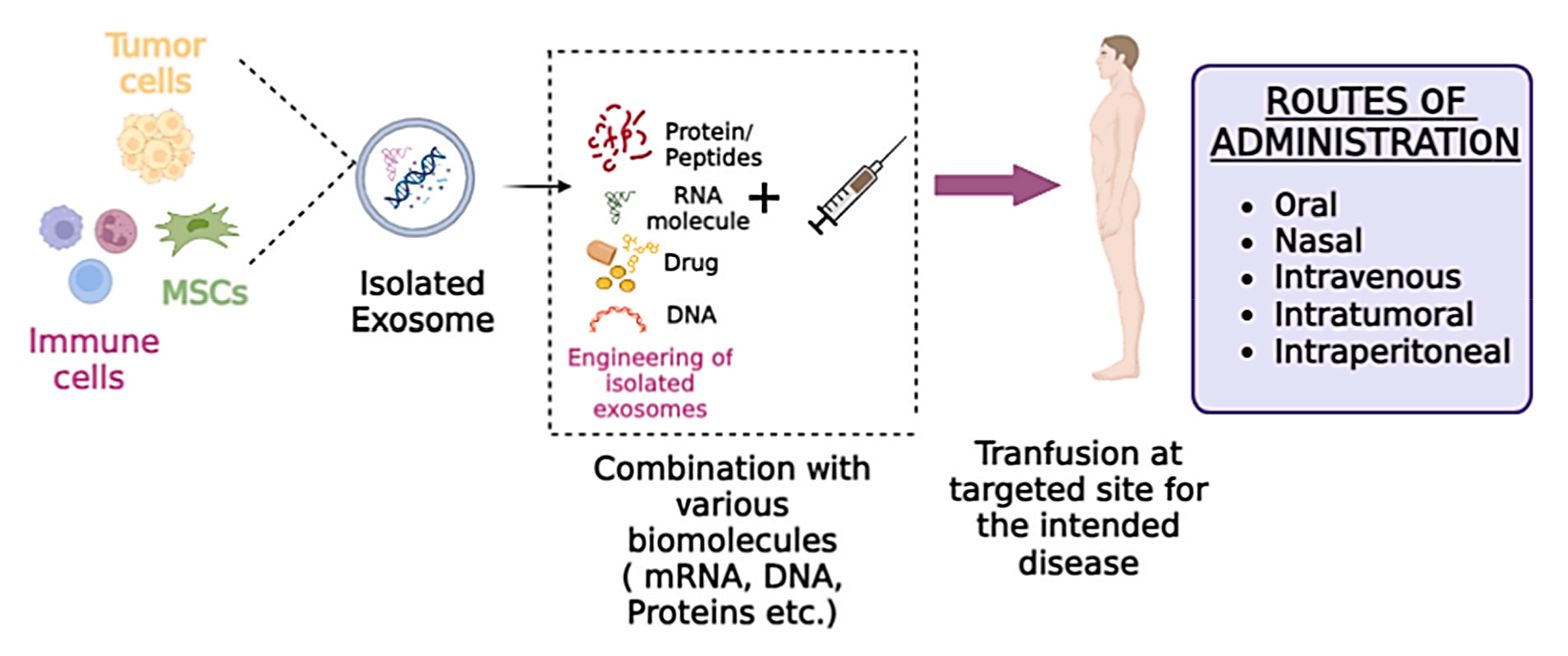
 Figure 1. Exosome Engineering Strategies for Cargo Loading. (Iqbal Z, et al., 2024)
Our Exosome Cargo Loading Capabilities
Creative Biostructure offers flexible and optimized exosome cargo loading solutions for a wide range of biomolecules. Our platform is designed to match cargo properties with appropriate loading strategies, ensuring efficient encapsulation while maintaining vesicle integrity and cargo functionality.
Supported Cargo Types and Strategies
| Cargo Type | Examples | Typical Loading Methods |
|---|---|---|
| Nucleic Acids | miRNA, siRNA, mRNA, DNA | Electroporation, transfection, endogenous loading |
| Proteins | Enzymes, antibodies | Sonication, permeabilization, endogenous expression |
| Peptides | Bioactive, targeting peptides | Incubation, chemical methods |
| Small Molecules | Hydrophilic & hydrophobic compounds | Incubation, sonication, extrusion |
| Dual Cargos | RNA + protein, drug combinations | Sequential or combined loading |
Loading Technologies
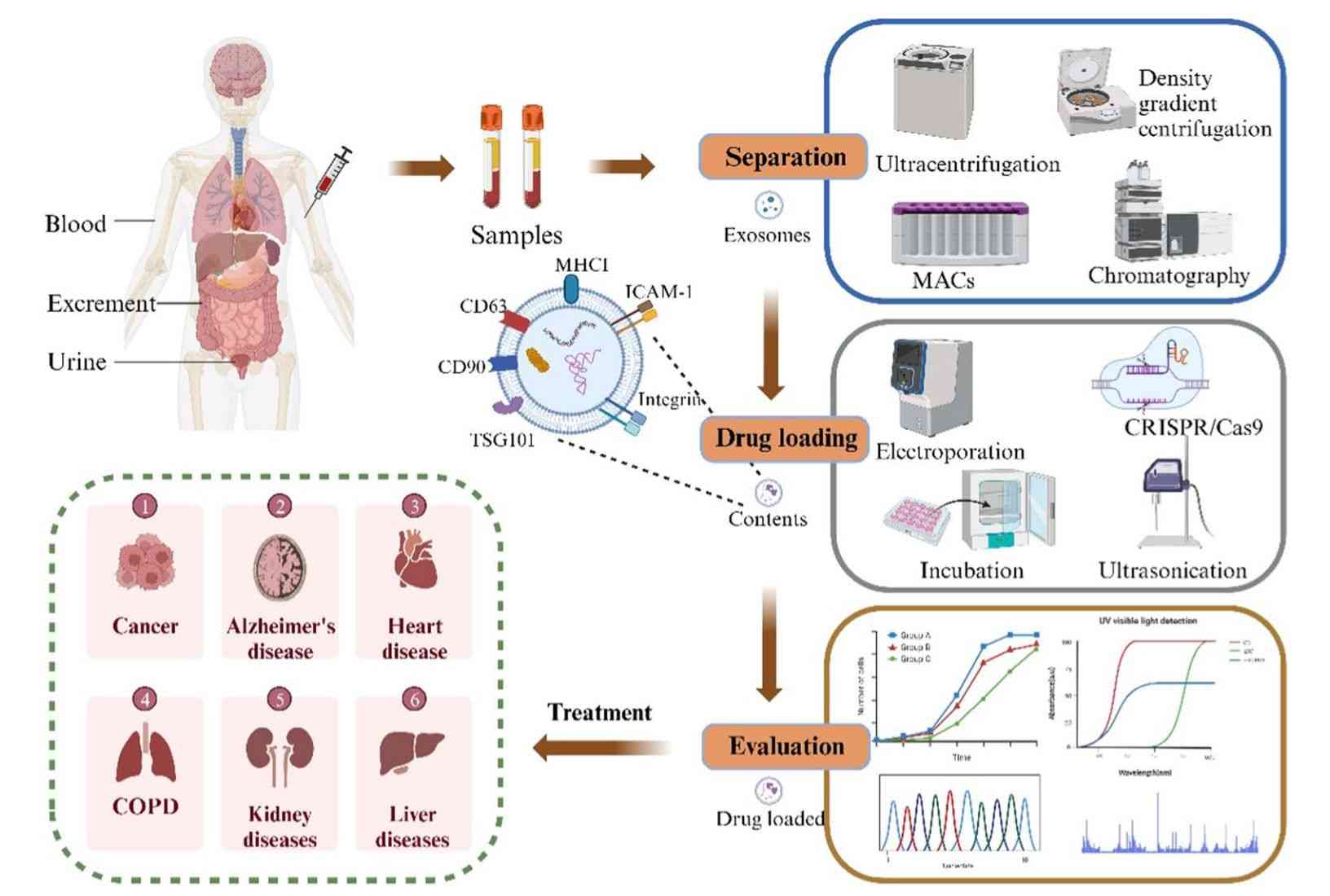
We apply both active and passive loading methods depending on cargo characteristics. Active approaches such as electroporation and sonication enhance membrane permeability and loading efficiency, while passive methods like incubation and freeze–thaw provide milder conditions. For higher capacity or engineered systems, extrusion-based techniques and endogenous loading strategies are also available.
Optimization Strategy
Each project is customized to achieve optimal performance:
- Cargo-specific protocol design
- Loading efficiency and yield optimization
- Preservation of cargo activity and vesicle structure
- Adaptation to experimental and scale-up needs
This targeted approach ensures reliable, reproducible, and application-ready exosome cargo loading outcomes.
Our Service Portfolio
We offer specialized services targeting different cargo types. Explore each service below:
Exosome Nucleic Acid Loading Service
Efficient delivery of genetic materials including miRNA, siRNA, mRNA, and DNA for gene regulation and functional studies.
- Optimized encapsulation strategies
- Minimized aggregation and degradation
- Suitable for diverse experimental models
Exosome Protein and Peptide Loading Service
Loading of functional proteins and peptides while preserving structural integrity and biological activity.
- Supports enzymes, antibodies, and bioactive peptides
- Enables intracellular delivery or surface display
- Maintains protein functionality
Exosome Small Molecule Loading Service
Encapsulation of small molecule compounds, including drug-like molecules and probes.
- Compatible with different chemical properties
- Multiple loading strategies for optimized efficiency
- Suitable for mechanistic and delivery studies
Exosome Co-loading and Dual Cargo Delivery Service
Simultaneous loading of multiple cargos to support complex and synergistic research designs.
- Dual or multi-cargo encapsulation
- Flexible strategy combinations
- Enables advanced experimental workflows
Standard Workflow
Our standardized workflow ensures consistency, quality, and transparency:
Consultation & Cargo Assessment
Evaluation of cargo properties and project objectives
Loading Strategy Selection
Identification of optimal loading method
Protocol Development & Optimization
Small-scale validation and parameter tuning
Scale-Up Execution
Controlled and reproducible loading process
Characterization & Quality Control
Comprehensive validation of loaded exosomes
Delivery & Technical Support
Final product delivery with documentation and support
 Figure 2. Project Workflow for Exosome Cargo Loading. (Creative Biostructure)
Quality Control and Characterization
We perform rigorous analytical characterization to ensure product quality:
- Particle size and distribution (NTA, DLS)
- Morphology analysis (TEM, Cryo-EM)
- Cargo loading efficiency assessment
- Purity and identity marker analysis
- Optional functional validation assays
Applications
Our exosome cargo loading services support a wide range of research areas:
- Drug delivery and nanocarrier studies
- Functional genomics and gene regulation
- Protein delivery and enzyme activity studies
- Biomarker discovery and validation
- Cell communication and signaling research
- Nanomedicine and vesicle engineering
How to Start Your Project
To ensure optimal performance and reproducibility, our exosome cargo loading services typically require client-provided materials. However, flexible options are available depending on your project needs.
| What You Can Provide |
|
| Optional Support | If materials are not available, we can support:
|
Getting started is simple:
- Share your cargo type and project objectives
- Provide available materials or request sourcing support
- Receive a customized loading strategy and quotation
What Deliverables Will You Receive
| Deliverable | Description |
|---|---|
| Loaded Exosome Samples | Ready-to-use exosomes with verified cargo incorporation |
| Quality Control Report | Data on size, morphology, purity, and loading efficiency |
| Experimental Summary | Overview of loading methods and optimized conditions |
| Analytical Data Files | Raw and processed characterization data |
| Technical Recommendations | Guidance for storage, handling, and downstream use |
Why Choose Creative Biostructure
- Scientific Rigor: Workflows aligned with EV research standards to ensure reliable and reproducible results.
- Cargo-Specific Optimization: Tailored strategies based on cargo properties to maximize loading efficiency and functionality.
- Advanced Technology: Multiple validated loading methods supporting diverse cargo types and applications.
- Robust Quality Control: Comprehensive exosome characterization to ensure consistency, purity, and accurate cargo incorporation.
- Flexible Scalability: Adaptable workflows from pilot studies to larger-scale projects.
- End-to-End Support: Dedicated scientific guidance from design to delivery.
Case Study
Case: Improved Small Molecule Loading via Combined Active Strategy
Background
Small molecule loading into exosomes is often limited by low efficiency and cargo variability. This study evaluated a microwave-assisted (MR) loading strategy, alone and combined with incubation, to improve performance.
Methods
- Cargo: RV, RA, PT, EG
- Approach: Incubation (IN), MR, IN/MR
- Analysis: HPLC (efficiency), DLS (size), XRD (structure), flow cytometry (concentration)
Results
- Higher efficiency: IN/MR significantly outperformed single methods
- Cargo-dependent: PT > RV > RA > EG (linked to hydrophobicity)
- Faster loading: MR enabled rapid encapsulation (seconds vs minutes)
- Key consideration: Loading method must match cargo stability
Conclusion
Combining active and passive strategies improves loading efficiency while highlighting the need for cargo-specific optimization.
 Figure 3. Comparison of Exosome Drug Loading Efficiency Across Loading Methods. (Briones-Márquez L F, et al., 2023)
Looking to improve loading efficiency, stability, or multi-cargo delivery performance? Our experts will design a solution based on your cargo type and research goals. Contact us to start your project with a tailored exosome loading strategy.
References
- Briones-Márquez L F, Navarro-Partida J, Herrera-González A, et al. HPLC-UV evaluation of a microwave assisted method as an active drug loading technique for exosome-based drug delivery system. Heliyon. 2023, 9(10).
- Bahadorani M, Nasiri M, Dellinger K, et al. Engineering exosomes for therapeutic applications: decoding biogenesis, content modification, and cargo loading strategies.International Journal of Nanomedicine. 2024: 7137-7164.
- Iqbal Z, Rehman K, Mahmood A, et al. Exosome for mRNA delivery: strategies and therapeutic applications. Journal of Nanobiotechnology. 2024, 22(1): 395.
Frequently Asked Questions
For any inquiries, our support team is ready to help you get technical support for your research and maximize your experience with Creative Biostructure.