Exosome Protein and Peptide Loading Service
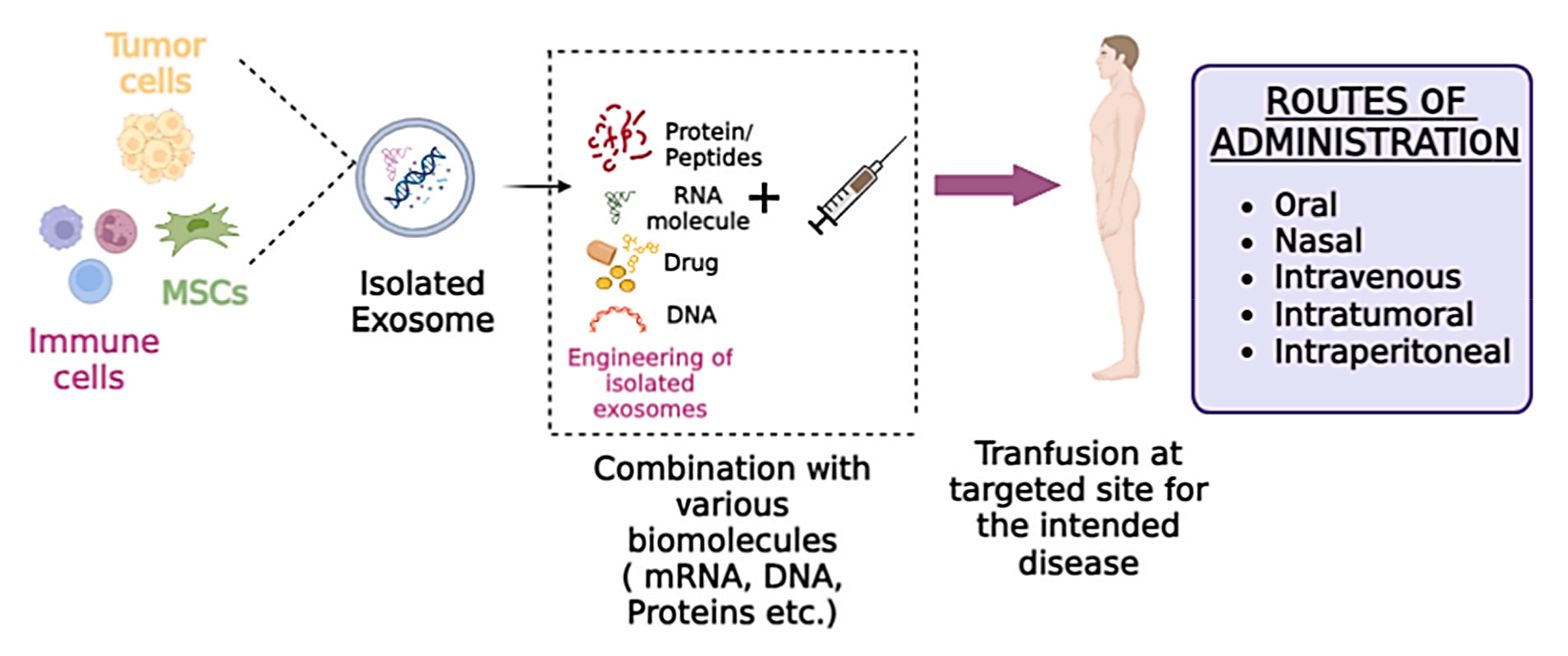
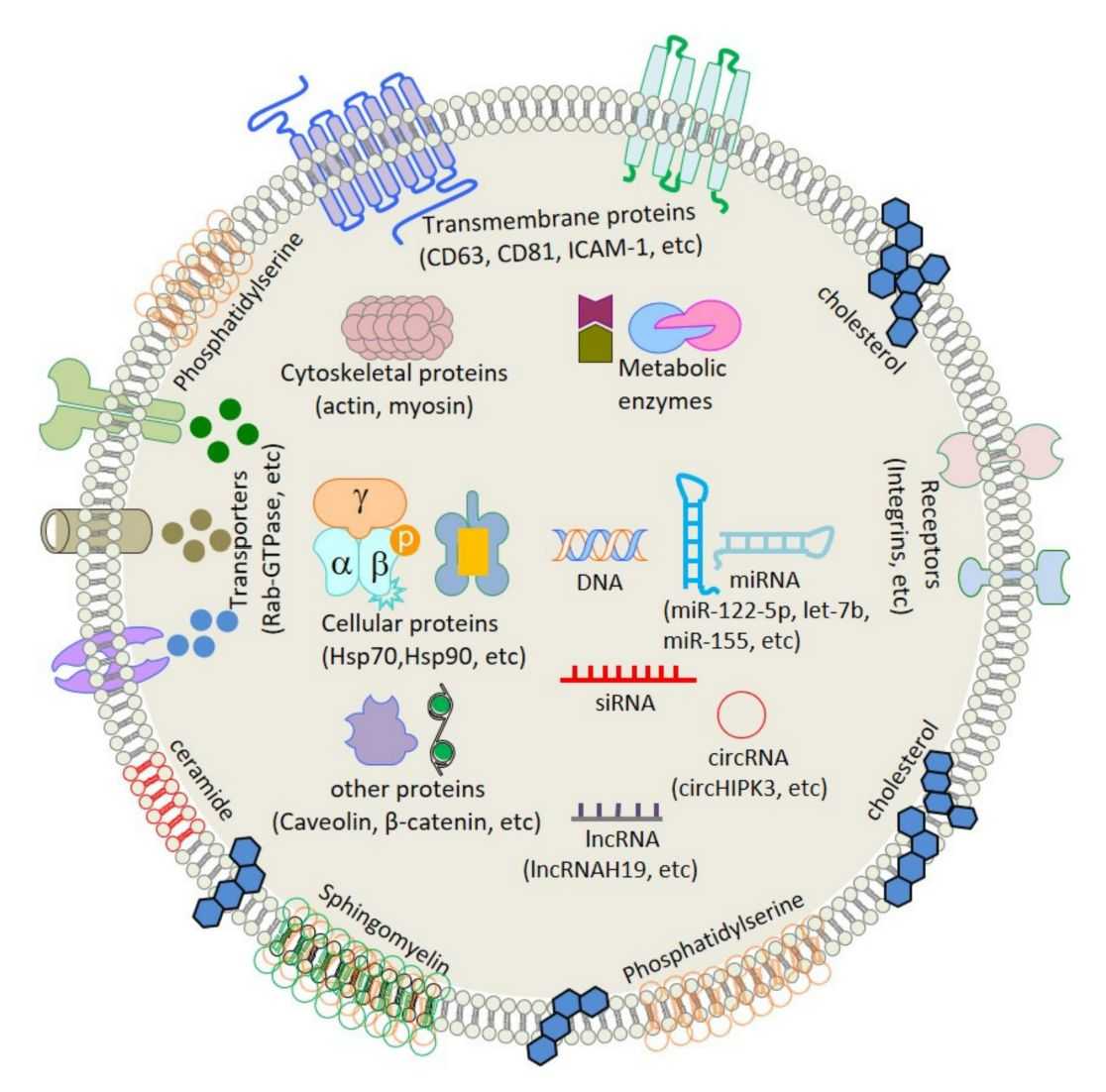
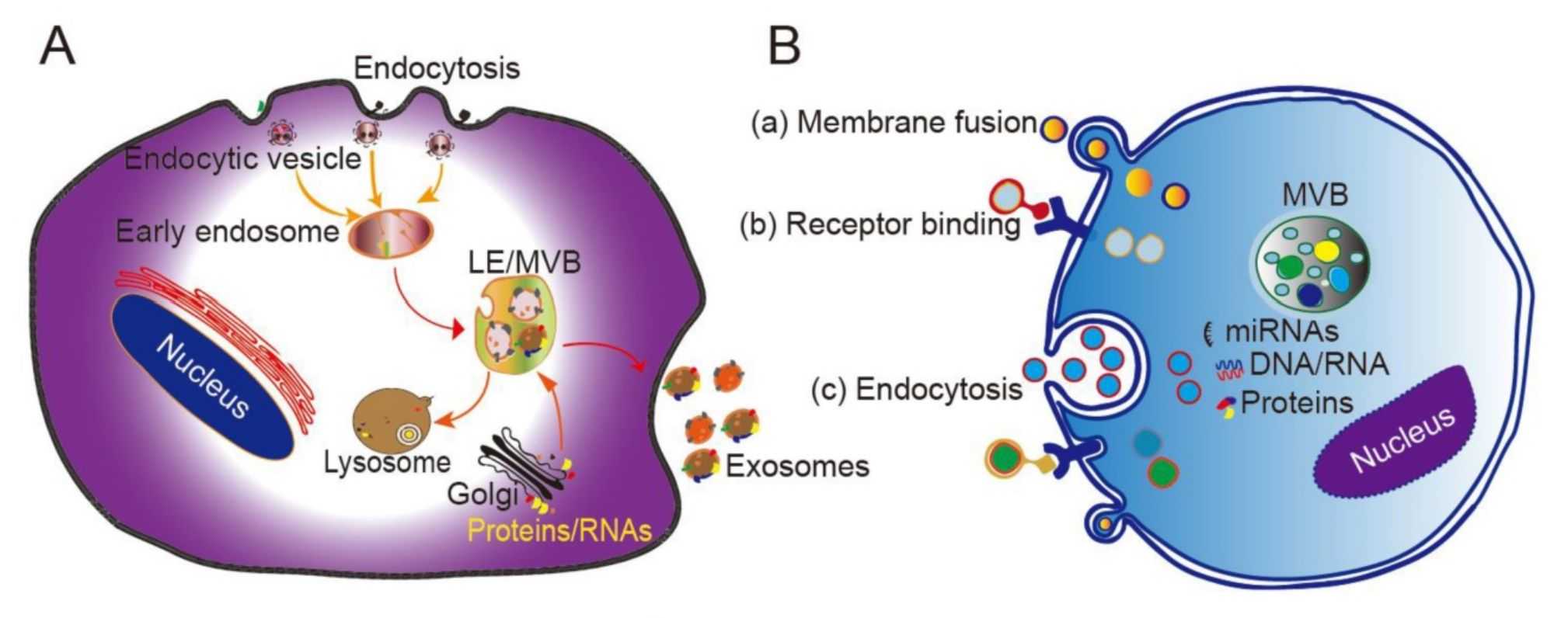
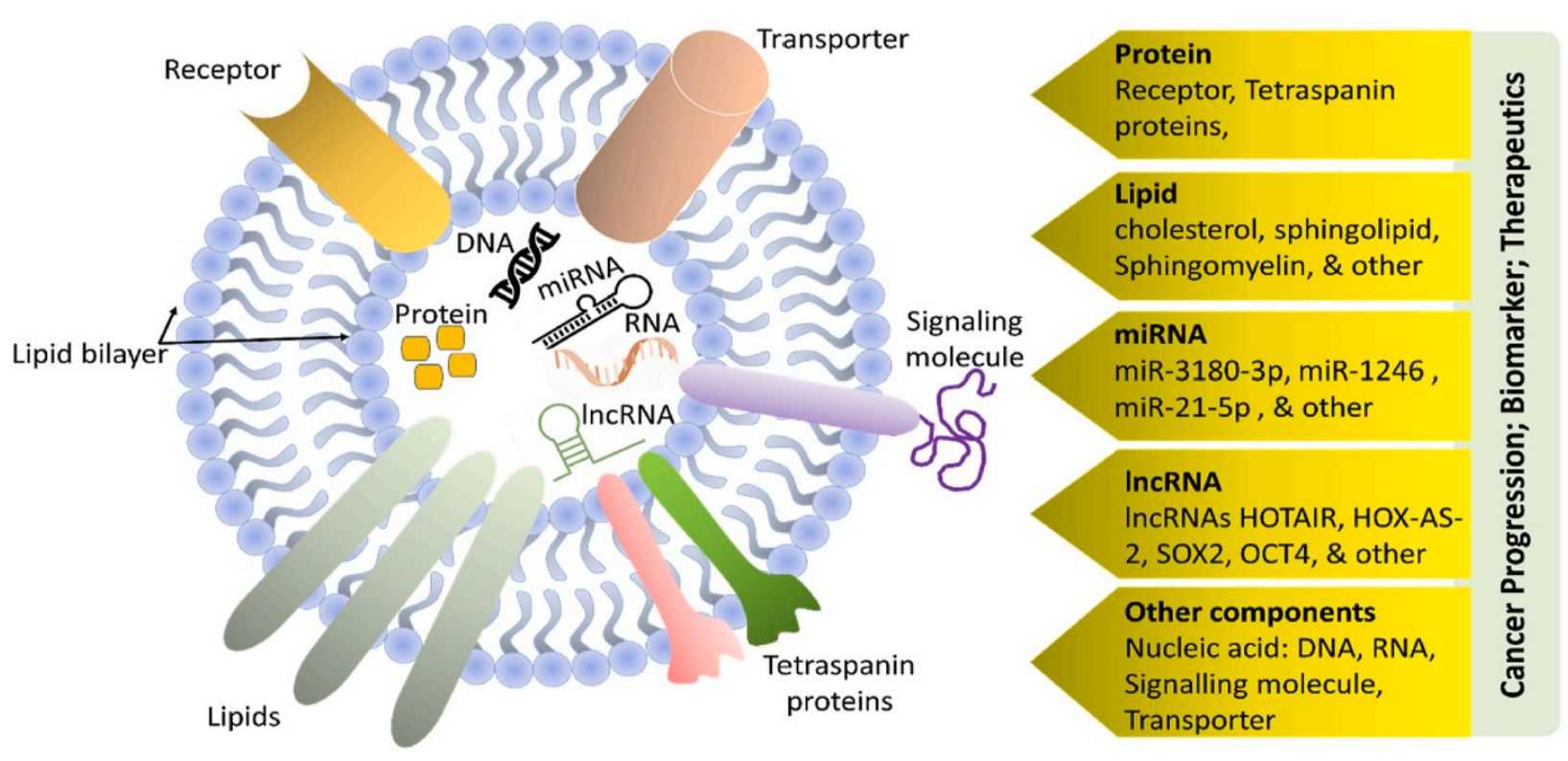
Exosomes are promising nanoscale carriers for delivering biologically active macromolecules, including proteins, peptides, enzymes, antibody fragments, and engineered ligands. Their membrane structure, biocompatibility, and natural role in intercellular communication make them valuable for protein and peptide loading applications.
At Creative Biostructure, we offer custom exosome protein and peptide loading services for intracellular delivery, surface display, and functional cargo engineering. We support both client-supplied materials and fully customized workflows covering exosome preparation, cargo loading, purification, quality control, and optional functional validation.
Why Use Exosomes for Protein and Peptide Loading
Protein and peptide cargos often face multiple development barriers, such as enzymatic degradation, poor membrane permeability, limited intracellular access, and rapid loss of activity in conventional formulations. Exosomes offer a biologically relevant carrier platform that can help address these challenges.
Key advantages of exosome-based protein and peptide loading include:
- Protection of fragile cargos from degradation in biological environments
- Improved cellular interaction and uptake potential compared with free biomacromolecules
- Compatibility with diverse cargo formats, including soluble proteins, membrane-associated proteins, enzymes, and bioactive peptides
- Potential for intracellular delivery, receptor targeting, or surface presentation
- Flexible engineering strategies, including passive loading, active loading, endogenous packaging, and surface functionalization
- Suitability for exploratory, preclinical, and translational research workflows
 Figure 1. Why Use Exosomes for Protein and Peptide Loading: Advantages and Key Challenges. (Creative Biostructure)
Why Protein/Peptide Loading Into EVs Is Challenging
Protein and peptide cargos vary widely in size, charge, hydrophobicity, stability, and aggregation propensity. Meanwhile, EV preparations differ in membrane composition, surface proteins, lumen volume, and co-isolated components. Common pitfalls include:
- Apparent "loading" driven by free cargo carryover (insufficient separation)
- Vesicle disruption from harsh loading methods (loss of integrity, altered uptake)
- Protein denaturation or peptide adsorption to tubes/filters
- Misleading readouts without appropriate negative markers and controls
- Batch-to-batch variability in EV source material or isolation method
Our service is designed to quantify and control these risks with method selection, process documentation, and fit-for-purpose analytics.
Our Exosome Protein and Peptide Loading Capabilities
We offer two main engineering routes, selected based on your target biology and assay needs:
1) Luminal Encapsulation (Internal Loading)
Goal: place protein/peptide inside EVs to improve protection and intracellular delivery.
Common approaches (chosen and optimized per cargo):
- Passive incubation (for membrane-permeable peptides/proteins)
- Electroporation-assisted loading
- Sonication or extrusion-assisted loading
- Freeze-thaw assisted loading
- Mild permeabilization (e.g., optimized surfactant-based) with recovery steps
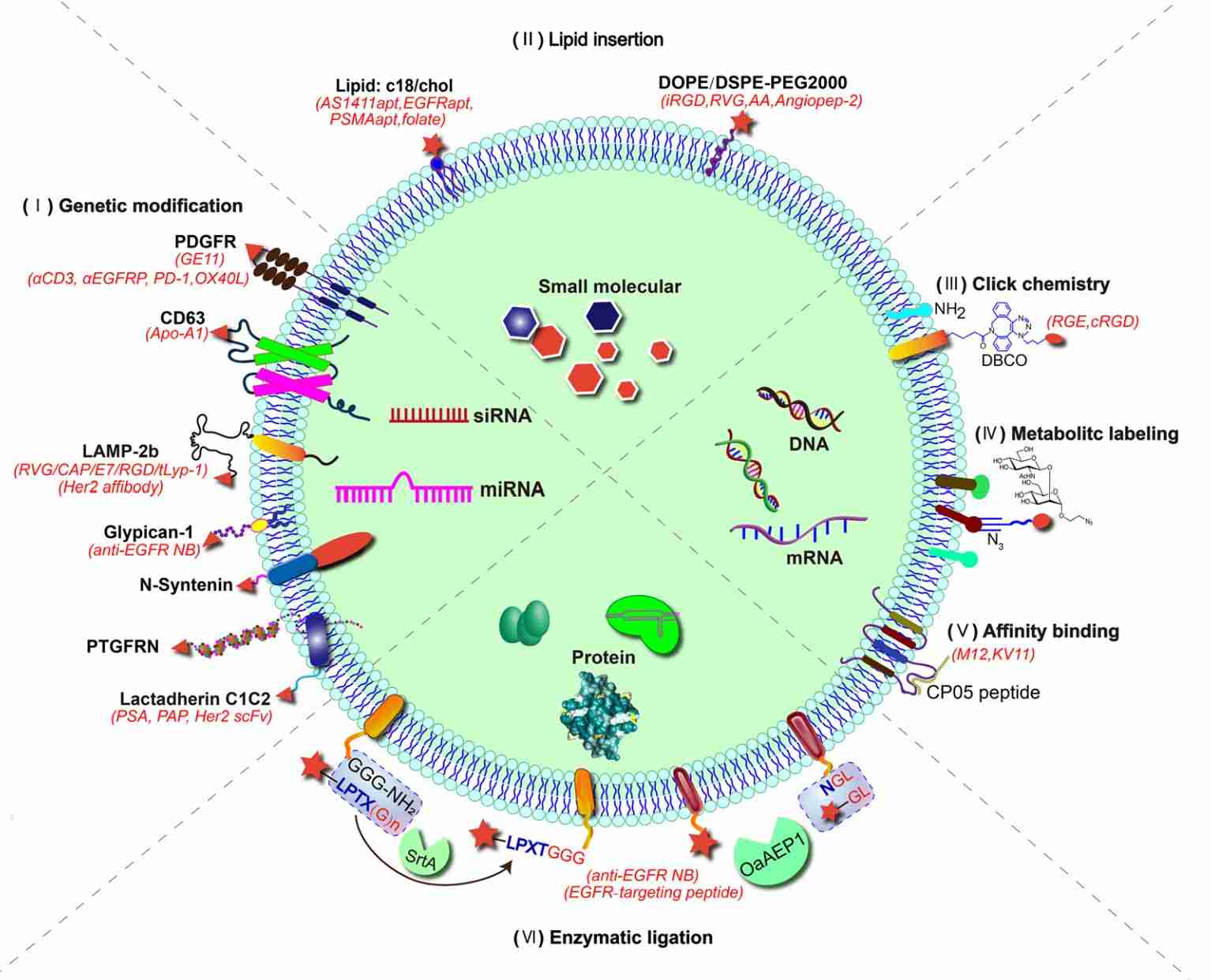
2) Surface Display / Surface Conjugation
Goal: present peptides/proteins on the EV surface for receptor engagement, targeting, vaccination, or binding assays.
Common approaches:
- Non-covalent adsorption (controlled, reversible)
- Affinity-based display (tag/ligand systems, as applicable)
- Covalent conjugation (amine/thiol chemistries) with quenching and purification
- Click-chemistry style strategies (when compatible with cargo and application)
We will recommend the strategy that best matches your intent (e.g., intracellular enzyme delivery vs. surface antigen presentation).
What We Can Load
Examples of cargos supported (case-by-case feasibility review):
| Cargo Type | Examples |
|---|---|
| Proteins | Enzymes, growth factors, cytokines, transcription factors, reporter proteins, antibody fragments such as Fab, scFv and antigen proteins |
| Peptides | Targeting peptides, cell-penetrating peptides (CPPs), epitopes, inhibitory peptides, and stapled peptides where stability permits |
| Complexes | Protein-cofactor systems and protein-peptide assemblies, provided the complex remains stable during loading and purification |
If your cargo is sensitive, we can design conditions to protect activity (temperature, buffers, stabilizers) and minimize aggregation.
How We Select the Right Loading Strategy
Each project is evaluated individually to identify a suitable exosome engineering route. Our strategy selection is guided by the following factors:
- Cargo size and molecular weight
- Protein folding sensitivity and structural fragility
- Peptide hydrophobicity and membrane affinity
- Required localization: internal encapsulation vs. surface display
- Intended biological function after loading
- Exosome source and material availability
- Target cell type and downstream assay design
- Purification difficulty and free cargo removal requirements
- Analytical methods needed to verify successful loading
This cargo-centered design approach helps us build more practical and informative loading workflows for both standard and difficult biomolecule classes.
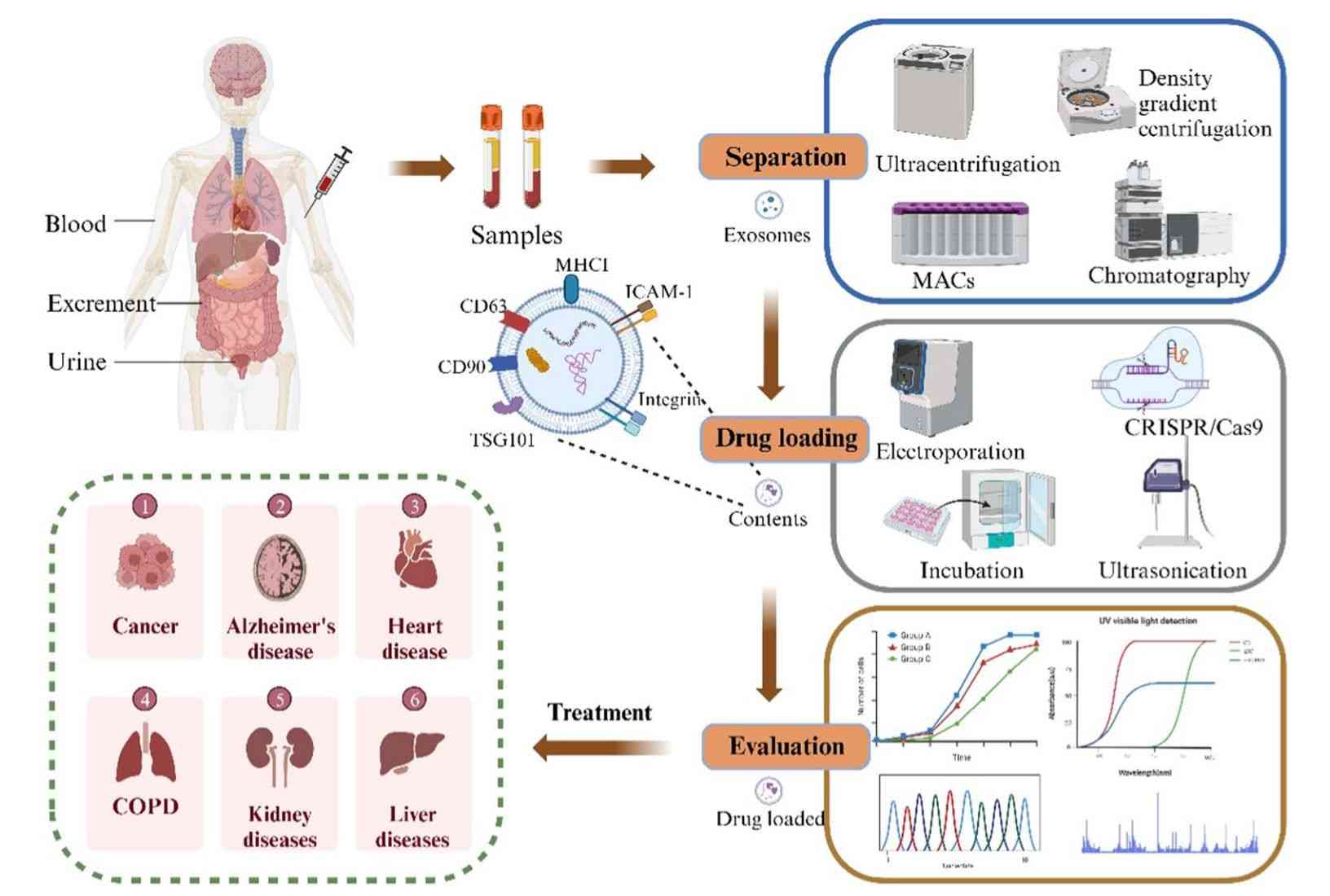
Our Protein/Peptide Loading Workflow
Consultation & Cargo Assessment
Our scientists review your protein specifications (molecular weight, isoelectric point, hydrophobicity, stability data) and objectives. We recommend the optimal loading strategy and design appropriate controls.
Loading Protocol Development & Optimization
We optimize loading parameters (voltage/pulse for electroporation, detergent concentration for permeabilization, or construct design for cell engineering) using small-scale pilot studies to maximize efficiency while preserving protein function.
Scale-Up Loading Execution
Once parameters are validated, we execute the full-scale loading in our GMP-compatible facilities, with strict batch records and environmental monitoring.
Comprehensive Quality Control
Loaded exosomes undergo rigorous characterization to confirm loading efficiency, purity, identity, and functional integrity.
Delivery & Scale-Up Consultation
You receive the loaded exosome product, comprehensive documentation, and consultation on formulation, storage stability, and pathways to manufacturing scale-up.
 Figure 2. Exosome Protein and Peptide Loading Service Workflow. (Creative Biostructure)
Comprehensive QC for Loaded Exosomes
Every loading project includes multi-tiered quality control aligned with MISEV2023 guidelines:
| QC Parameter | Analytical Method | Acceptance Criteria | Purpose |
|---|---|---|---|
| Loading Efficiency | Fluorescence spectroscopy, ELISA, or quantitative Western blot | ≥20% for electroporation; ≥10% for permeabilization | Quantify cargo incorporation |
| Protein Integrity | SDS-PAGE, Western blot, or mass spectrometry | Intact bands at expected MW; no degradation products | Confirm protein stability during loading |
| Loading Localization | Protease protection assay + confocal microscopy | Differential sensitivity to external proteases | Distinguish internal vs. surface loading |
| Exosome Identity | Nanoparticle Tracking Analysis (NTA), transmission electron microscopy (TEM) | >90% particles 30–150 nm; cup-shaped morphology | Confirm vesicle integrity |
| Surface Marker Profile | Flow cytometry or Western blot (CD9, CD63, CD81, TSG101, ALIX) | Positive for standard markers; negative for contaminants | Verify exosome purity per MISEV2023 |
| Functional Bioactivity | Cell-based functional assay (customized to protein type) | ≥80% retention of specific activity vs. free protein | Ensure therapeutic potential |
| Purity & Safety | Endotoxin testing (LAL assay), sterility testing | <0.5 EU/mL; no microbial growth | Meet preclinical safety standards |
| Stability Profile | Accelerated stability testing at 4°C, -20°C, -80°C | <10% activity loss over 3 months at recommended storage | Guide formulation development |
Applications of Exosome Protein/Peptide Loading
This service is commonly used for:
- Intracellular protein delivery feasibility (enzymes, functional proteins)
- Peptide delivery and stability studies
- EV surface display for targeting (ligand peptides, antibody fragments)
- Antigen presentation / vaccine research (epitopes, antigens)
- Mechanistic studies of EV trafficking, uptake, and cargo release
- Assay development requiring standardized EV-associated protein cargos
Sample Requirements (Typical)
Requirements vary by method and analytics, but common starting points include:
- EV input: particle count or protein amount (we will recommend a target range)
- Cargo input: mass/volume, purity, buffer composition, stability notes
- Desired final format: liquid vs lyophilized (availability depends on project)
- Storage and shipping conditions to minimize degradation
If you are unsure, we can start with a small feasibility batch to establish loading and recovery performance.
What You Receive
Deliverables can be tailored, and typically include:
- Loaded EV product (with defined concentration and storage guidance)
- Certificate of Analysis / Summary Report (project-dependent)
- Analytical data package (plots, blots, fraction profiles, method parameters)
- Interpretation notes highlighting limitations and recommended next steps
Why Partner with Creative Biostructure?
As a global leader in structural biology and EV technology, we offer more than just a service:
- Expertise: Our team comprises Ph.D. scientists with decades of experience in protein folding, membrane dynamics, and vesicle trafficking.
- Experience: We have successfully managed hundreds of EV engineering projects, from pilot academic studies to industrial-scale process development.
- Authoritativeness: Our protocols are continuously updated to reflect the latest ISEV (International Society for Extracellular Vesicles) consensus statements.
- Reliable: We provide full data transparency. Every project includes a detailed report with raw NTA files, blot images, and purity assessments.
Case Study
Case: High-Efficiency Exosome Surface Protein Loading via EMAD13 Engineering
Background
Surface loading of membrane proteins into exosomes is often inefficient due to poor cellular trafficking and low incorporation rates. This study developed an optimized exosome membrane anchor (EMAD13) to enable high-density protein display on exosome surfaces.
Methods
Target proteins were engineered for enhanced membrane localization and fused with EMAD variants. Loading efficiency was evaluated by immunoblotting and electron microscopy, and validated across multiple protein cargos, including spike, HA, aflibercept, GLA, and antibody constructs.
Results
EMAD13 significantly improved loading performance, achieving ~8-fold higher protein incorporation and increasing the proportion of protein-displaying exosomes from 10% to 50%. Surface density also increased (from ~6 to ~11 protein copies per vesicle). The platform demonstrated strong versatility across different protein types and enabled functional in vivo responses at nanogram-level doses without adjuvant.
Conclusion
This study highlights EMAD13 as a powerful strategy for efficient exosome surface protein loading, enabling higher cargo density, broader protein compatibility, and improved functional outcomes.
 Figure 3. High-Density Surface Display of Spike Proteins on EMAD13-Engineered Exosomes. (Guo C, et al., 2024)
Unlock the full potential of exosome-based protein and peptide engineering with customized loading strategies tailored to your project. From method selection to functional validation, our experts are here to support every step of your workflow. Contact us to discuss your project and receive a personalized solution.
References
- Guo C, Sachithanandham J, Zhong W, et al. Antigen-display exosomes provide adjuvant-free protection against SARS-CoV-2 disease at nanogram levels of spike protein. bioRxiv. 2024.
Frequently Asked Questions
For any inquiries, our support team is ready to help you get technical support for your research and maximize your experience with Creative Biostructure.