Exosome Co-loading and Dual Cargo Delivery Service
Exosomes are emerging as powerful nanocarriers for delivering therapeutic cargos. At Creative Biostructure, we provide customized exosome co-loading and dual cargo delivery services to enable the simultaneous transport of multiple bioactive molecules, supporting synergistic therapeutic strategies and advanced research applications.
Our service integrates state-of-the-art loading technologies, rigorous quality control, and scalable workflows, helping clients accelerate discovery and preclinical development.
What Is Exosome Co-loading and Dual Cargo Delivery
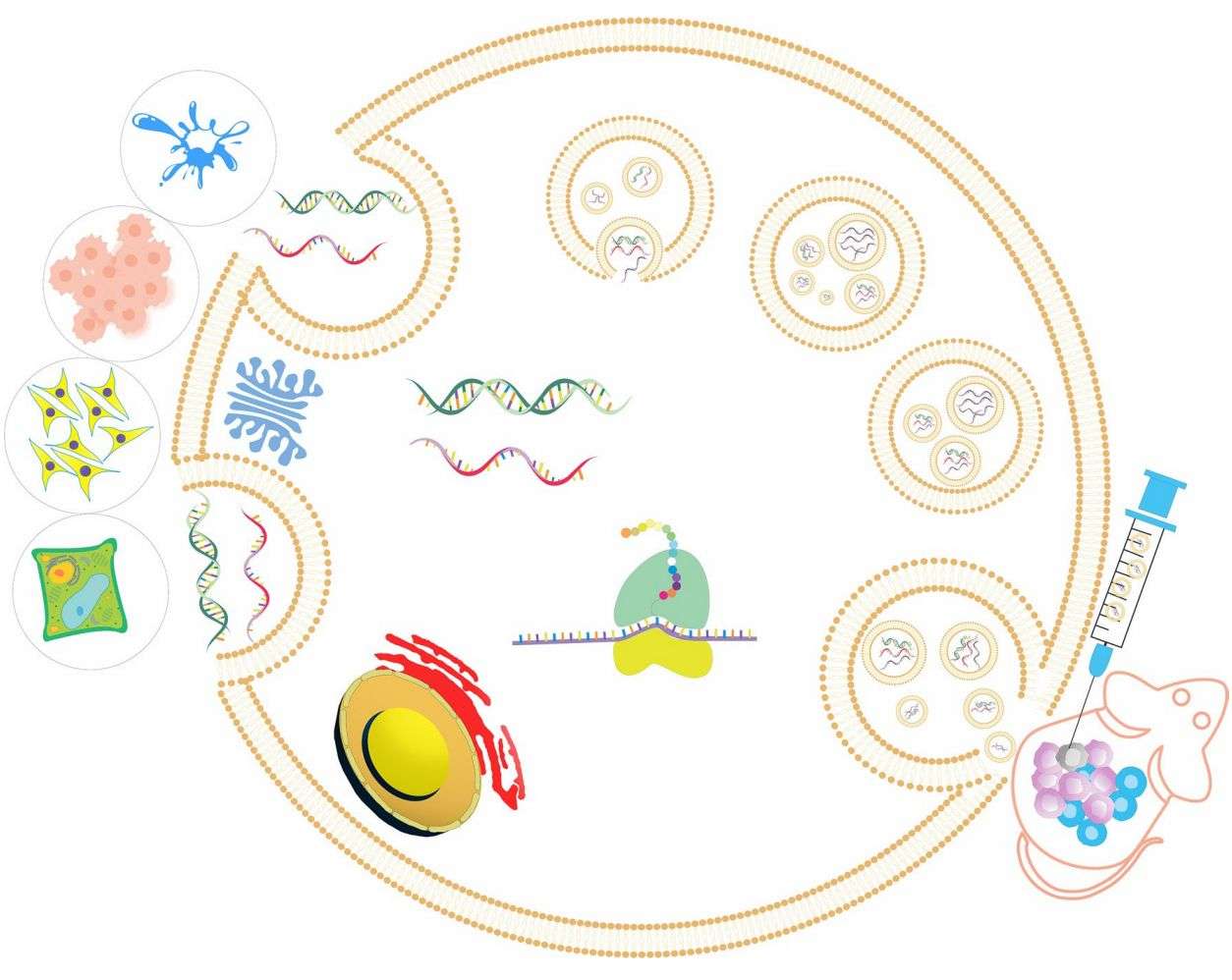
Exosome co-loading refers to the simultaneous incorporation of two or more distinct cargos into a single exosome population, enabling coordinated delivery to target cells.
Dual cargo delivery systems are particularly valuable in modern biomedical research, where combination therapies, such as gene + drug or protein + RNA, are increasingly required to achieve optimal therapeutic outcomes.
Compared with conventional delivery systems, engineered exosomes provide:
- A biologically derived membrane structure for improved compatibility
- Efficient cellular uptake and intracellular trafficking
- The ability to co-deliver heterogeneous cargos within a unified platform
Advantages of Exosome-Based Co-delivery Systems
Exosome-mediated dual cargo delivery offers several unique advantages:
- Simultaneous delivery of multiple cargos to the same target cell
- Protection of sensitive biomolecules from enzymatic degradation
- Enhanced cellular uptake efficiency compared with free cargos
- Synergistic therapeutic effects through coordinated action
- Reduced off-target toxicity via natural targeting properties
- Compatibility with both hydrophilic and hydrophobic molecules
These features make exosomes an ideal platform for multi-functional therapeutic design.
 Figure 1. Exosome-Based Dual Delivery System Enhancing Immunotherapy in Pancreatic Cancer. (Zhou W, et al., 2021)
Challenges in Co-loading Multiple Therapeutic Cargos
Despite their advantages, dual cargo loading presents technical challenges:
- Cargo compatibility: Different molecules may have conflicting physicochemical properties
- Loading competition: Multiple cargos may compete for encapsulation
- Stability issues: Risk of aggregation or degradation during processing
- Membrane integrity: Maintaining exosome structure during loading
- Controlled release: Ensuring synchronized or sequential cargo release
Our team addresses these challenges through customized strategy design and process optimization.
Our Advanced Exosome Co-loading Technologies
We offer multiple validated strategies to support diverse cargo combinations:
| Passive Co-loading |
|
| Active Co-loading |
|
| Endogenous Co-loading (Cell Engineering) |
|
| Hybrid and Sequential Loading |
|
Flexible Cargo Pairing Options
Our platform supports a wide range of dual cargo combinations:
- Protein + siRNA
- mRNA + small molecule drug
- Peptide + chemotherapeutic agent
- DNA + imaging probe
We tailor the loading strategy based on cargo properties, research goals, and downstream applications.
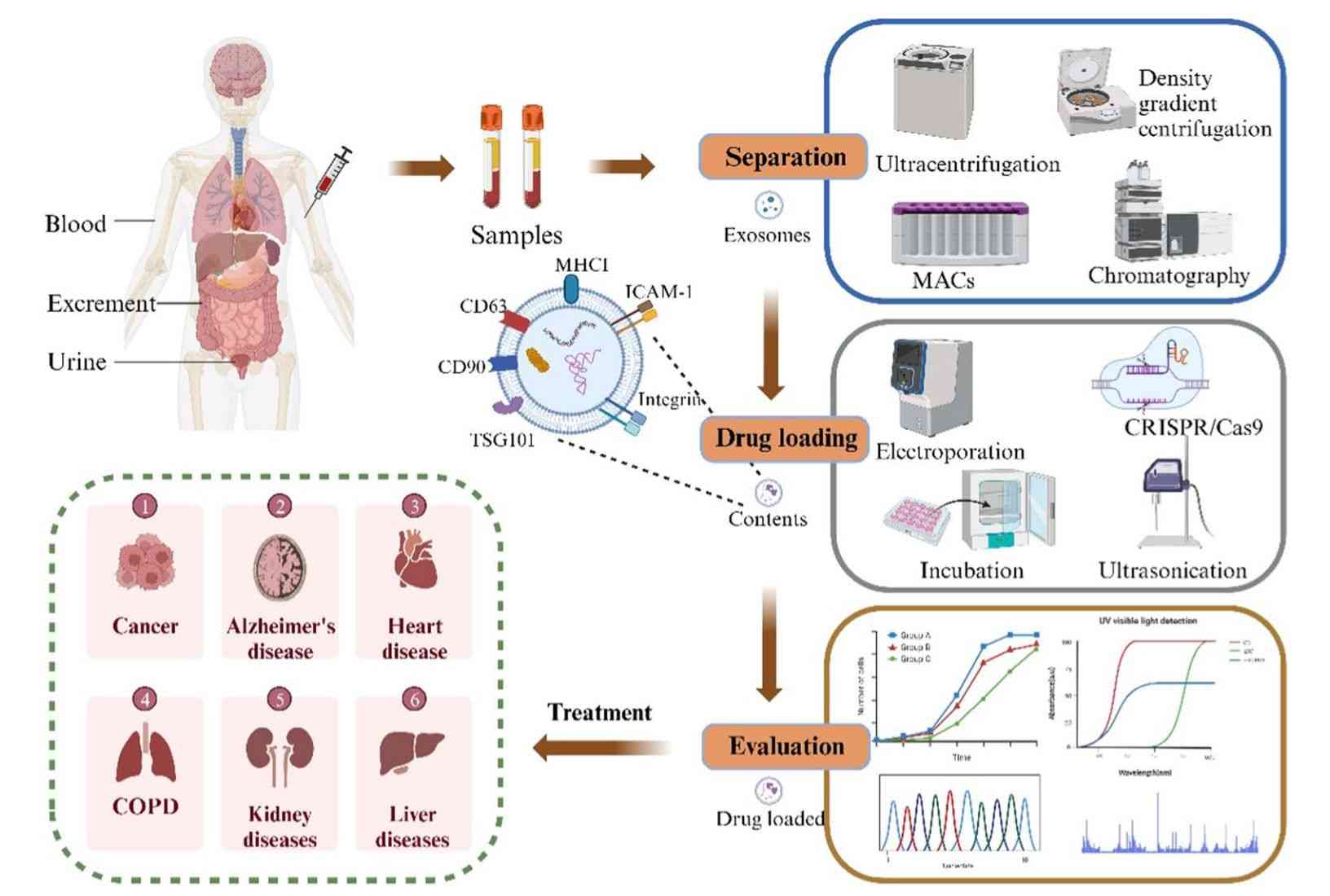
Our End-to-End Workflow
Consultation & Feasibility Assessment
Evaluation of cargo properties and project objectives
Cargo Compatibility Analysis
Assessment of physicochemical interactions and loading feasibility
Method Selection & Optimization
Identification and optimization of the most suitable co-loading strategy
Dual Loading Execution
Implementation under controlled and reproducible conditions
Comprehensive Characterization
Validation of loading efficiency, purity, and functionality
Delivery & Technical Support
Final product delivery with detailed reports and ongoing support
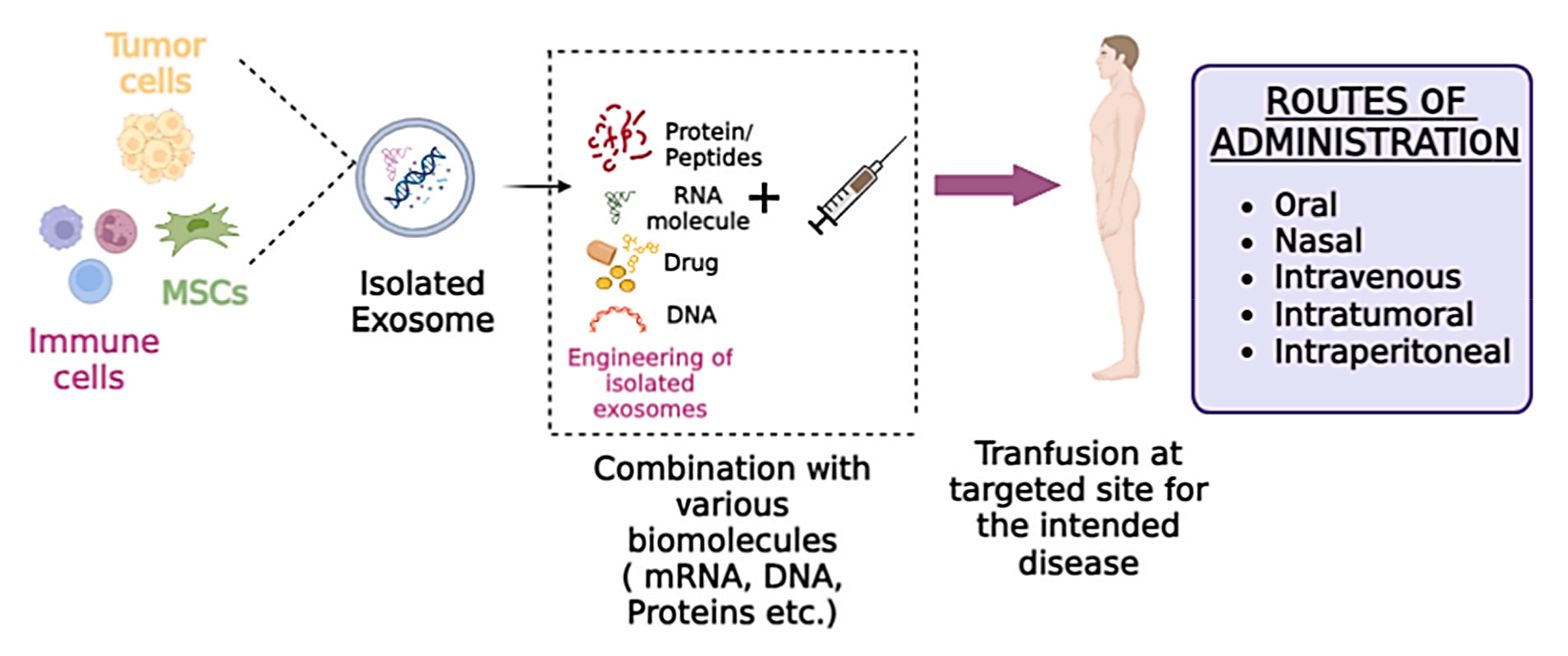
 Figure 2. Exosome Co-loading and Dual Cargo Delivery Workflow. (Creative Biostructure)
Comprehensive Quality Control and Characterization
We ensure high-quality outcomes through rigorous analytical methods:
- Particle size and concentration analysis (NTA)
- Morphology assessment (TEM or Cryo-EM)
- Dual cargo loading efficiency quantification
- Purity and integrity evaluation
- Stability testing under various conditions
- Functional assays for biological activity
All results are provided in detailed, publication-ready reports.
Applications of Dual Cargo Exosomes (Research Use Only)
Our exosome co-loading service supports a wide range of applications:
- Cancer combination therapy (e.g., drug + gene therapy)
- Gene editing delivery systems
- Immunotherapy enhancement
- Regenerative medicine research
- Targeted intracellular delivery studies
These applications highlight the potential of exosomes as next-generation multi-functional delivery platforms.
How to Get Started
To ensure optimal co-loading performance and experimental outcomes, clients may provide relevant materials for project initiation. Our team also offers flexible support depending on your project needs.
| Option 1: Client-Provided Materials | You may provide:
|
| Option 2: Fully Customized Service | If materials are not available, we can support:
|
Getting started is simple:
- Share your project goals and cargo details
- Our experts evaluate feasibility and recommend optimal strategies
- Receive a customized proposal and timeline
What Deliverables Will You Receive
- Dual-loaded exosome samples (research-grade, ready for downstream use)
- Detailed experimental report including loading methods, parameters, and optimization conditions
- Characterization data package (size, morphology, loading efficiency, purity)
- Quality control results ensuring reproducibility and consistency
- Technical documentation supporting your research or publication needs
Optional (upon request):
- Functional assay data
- Scale-up recommendations and process guidance
Why Choose Creative Biostructure
- Extensive expertise in exosome engineering and modification
- Customized solutions for complex dual cargo systems
- Advanced platforms for high-efficiency loading and analysis
- Scalable workflows from research to preclinical stages
- Dedicated scientific support throughout the project lifecycle
We are committed to delivering reliable, reproducible, and high-performance exosome solutions.
Case Study
Case: Dual Cargo Exosome Delivery Enhances Cancer Immunotherapy
Background
Combination immunotherapy requires coordinated delivery of multiple agents, but conventional systems lack efficiency. This study developed macrophage-derived exosome-mimetic nanovesicles (EMVs) to co-deliver a CD73 inhibitor (AB680) and anti-PD-L1 antibody (aPDL1) for improved bladder cancer treatment.
Methods
- EMVs generated via serial extrusion from macrophages
- AB680 encapsulated internally; aPDL1 conjugated on the surface
- Evaluated through in vitro uptake, immune activation, and in vivo tumor models
Results
- Efficient loading & stability: ~61% encapsulation, stable ~200 nm vesicles
- Enhanced targeting: Significant tumor accumulation vs free drugs
- Stronger immune response: Increased CD8⁺ T cells and cytokine levels
- Improved efficacy: Reduced tumor growth and extended survival
- Good safety: No significant systemic toxicity observed
Conclusion
Dual-loaded exosome mimetics enable efficient co-delivery, enhanced tumor targeting, and synergistic immunotherapy, offering a promising platform for combination cancer treatment.
 Figure 3. Characterization of Dual-Loaded Exosome-Mimetic Nanovesicles (AB680@EMVs-aPDL1). (Zhou Q, et al., 2021)
Ready to advance your dual cargo delivery strategy with exosome-based systems? Our experts provide tailored solutions to optimize co-loading efficiency, targeting performance, and functional outcomes for your specific application. Contact us today to discuss your project and accelerate your research.
References
- Zhou W, Zhou Y, Chen X, et al. Pancreatic cancer-targeting exosomes for enhancing immunotherapy and reprogramming tumor microenvironment. Biomaterials. 2021, 268: 120546.
- Zhou Q, Ding W, Qian Z, et al. Immunotherapy strategy targeting programmed cell death ligand 1 and CD73 with macrophage-derived mimetic nanovesicles to treat bladder cancer. Molecular Pharmaceutics. 2021, 18(11): 4015-4028.
- Zhang H, Wang S, Sun M, et al. Exosomes as smart drug delivery vehicles for cancer immunotherapy. Frontiers in immunology. 2023, 13: 1093607.
Frequently Asked Questions
For any inquiries, our support team is ready to help you get technical support for your research and maximize your experience with Creative Biostructure.