Exosome Small Molecule Loading Service
Exosome small molecule loading is an important strategy for developing exosome-based delivery systems in drug discovery, translational research, and preclinical studies. By incorporating small therapeutic compounds, imaging agents, or bioactive molecules into exosomes, researchers can take advantage of the natural biocompatibility, membrane protection, and cell communication properties of these extracellular vesicles.
At Creative Biostructure, we offer professional Exosome Small Molecule Loading Service to help clients load selected compounds into exosomes using optimized and project-specific approaches. Our service covers feasibility evaluation, loading method selection, process optimization, post-loading purification, and comprehensive quality characterization to support a wide range of research applications.
Why Use Exosomes for Small Molecule Delivery?
Exosomes have attracted increasing attention as natural nanoscale carriers for small molecule delivery because they combine biological compatibility with versatile functional potential. Compared with conventional synthetic delivery vehicles, exosomes may offer several important advantages in research and development:
- Excellent biocompatibility derived from their biological origin
- Improved cargo protection against premature degradation or inactivation
- Efficient cellular uptake through naturally evolved membrane interaction mechanisms
- Potential tissue or cell targeting capability depending on exosome source and engineering strategy
- Lower immunogenicity risk in many research contexts compared with some synthetic systems
- Flexible platform compatibility for therapeutic, diagnostic, and imaging applications
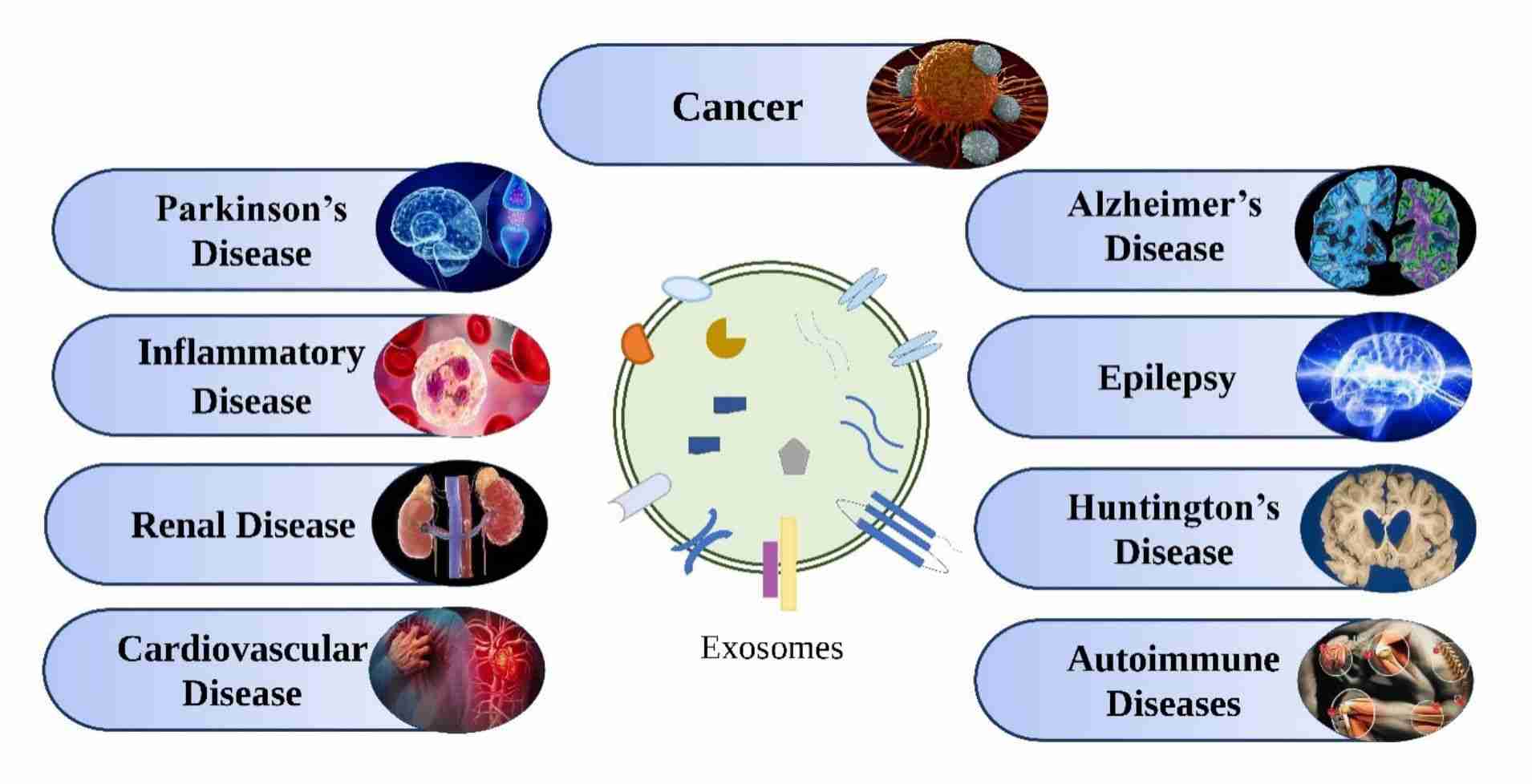
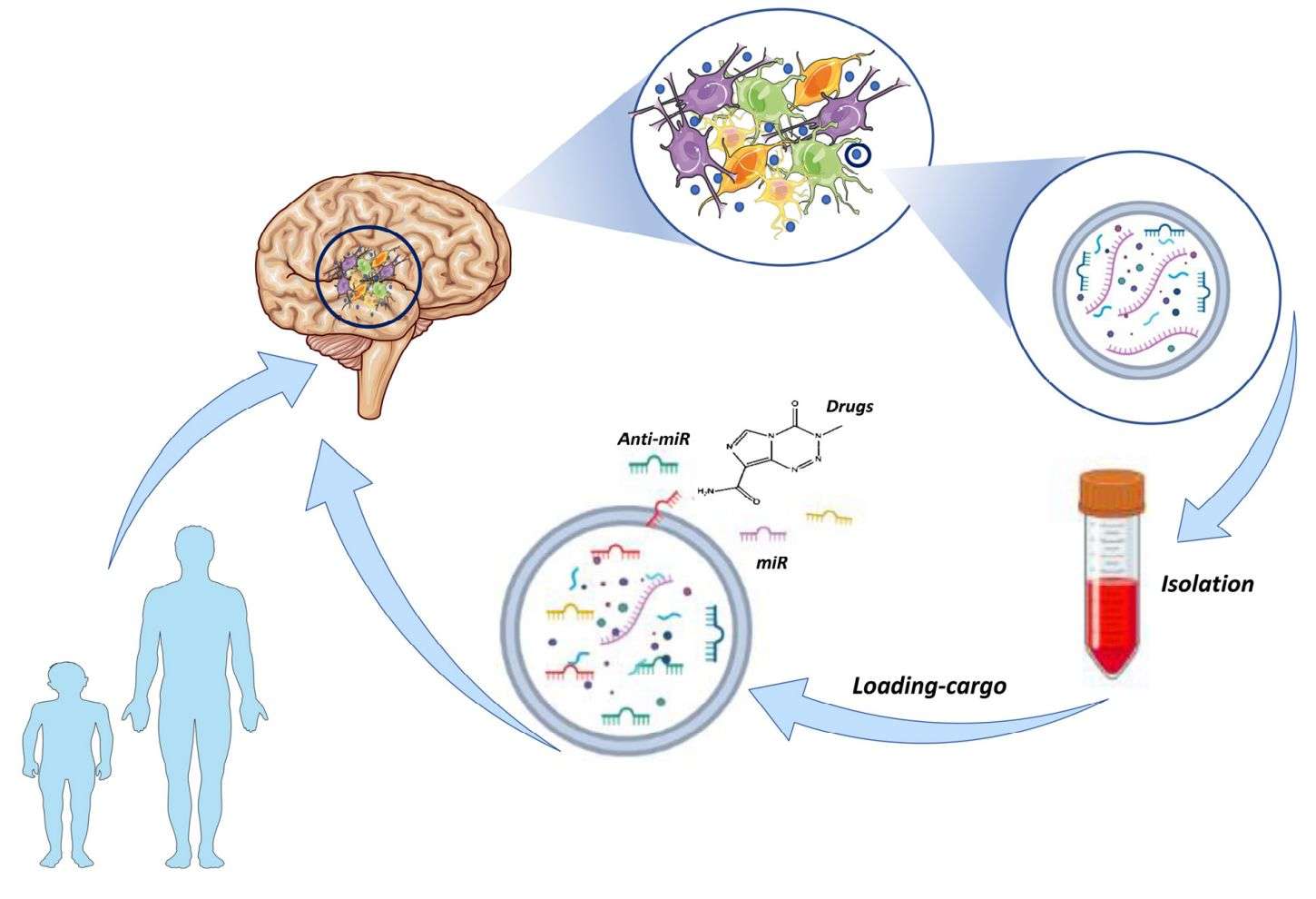
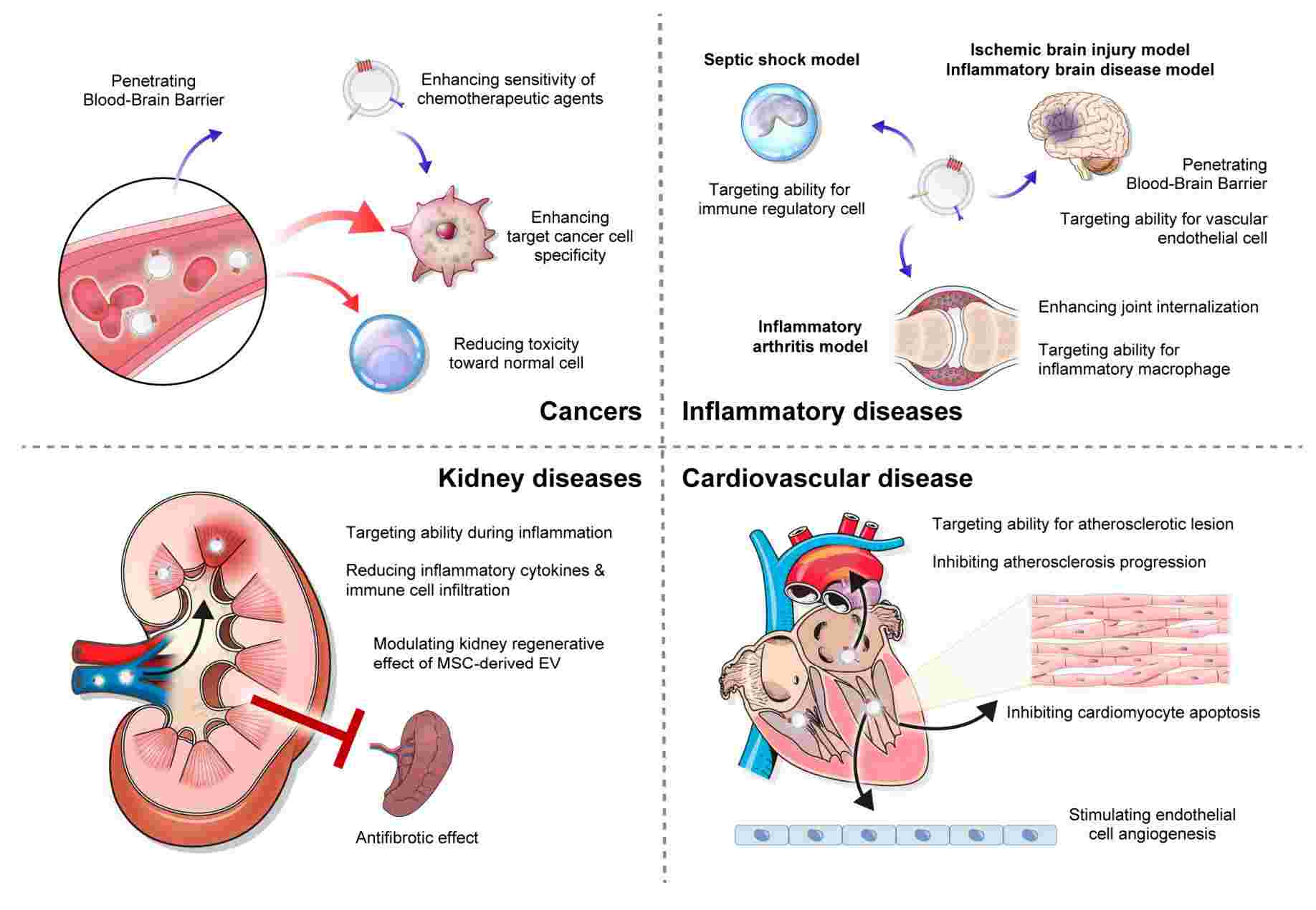
These features make exosome-based small molecule loading highly valuable for studies in oncology, inflammation, regenerative medicine, neuroscience, and precision drug delivery.
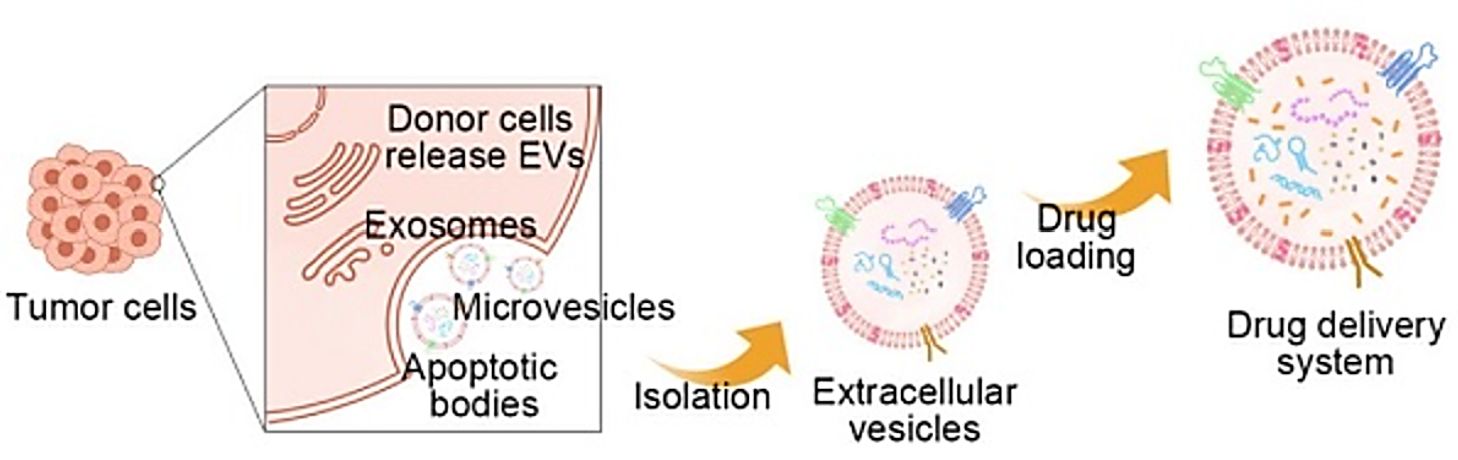
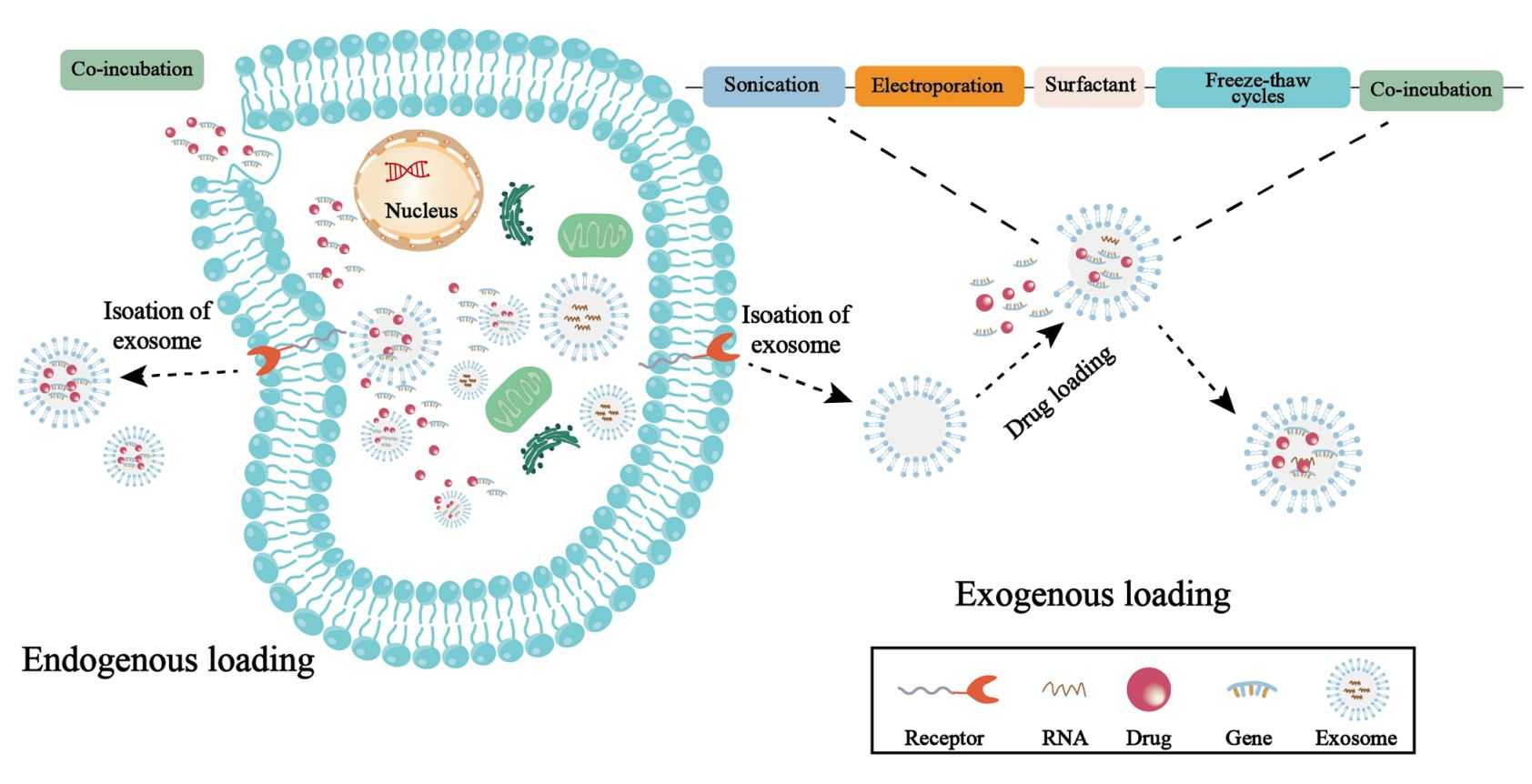
 Figure 1. Strategies for Exosome Drug Loading. (Zeng H, et al., 2023)
Our Exosome Small Molecule Loading Capabilities
Creative Biostructure provides flexible and customizable support for exosome loading projects involving different cargo properties, exosome sources, and downstream goals. Our capabilities include:
- Loading of hydrophilic, hydrophobic, and amphiphilic small molecules
- Feasibility assessment for candidate compounds
- Optimization of loading conditions based on molecule properties
- Selection of passive or active loading strategies
- Removal of free or surface-associated unencapsulated compounds
- Characterization of exosome integrity before and after loading
- Quantification of loading efficiency and cargo retention
- Optional downstream uptake, release, and functional studies
We can support projects using client-provided exosomes, exosome-producing source materials, or customized exosome preparation workflows when needed.
Loading Strategies for Exosome Small Molecule Encapsulation
| Loading Method | Principle | Advantages | Limitations |
|---|---|---|---|
| Passive Incubation | Small molecules are incubated with exosomes under controlled conditions for spontaneous loading. | Mild process; good vesicle preservation; suitable for lipophilic cargos | Lower efficiency for some cargos; optimization often needed |
| Sonication-Assisted Loading | Sonication temporarily disrupts the exosome membrane to facilitate cargo entry. | Improved loading efficiency; suitable for poorly passive-loaded compounds | May affect vesicle integrity; requires strict process control |
| Electroporation-Assisted Loading | Electrical pulses increase membrane permeability for active cargo loading. | Useful for difficult-to-load cargos; controllable process | May alter membrane properties; post-loading purification required |
| Freeze-Thaw Cycling | Repeated freeze-thaw cycles promote cargo incorporation through transient membrane disruption. | Simple method; suitable for preliminary studies | May cause aggregation or instability; condition optimization required |
| Extrusion-Mediated Loading | Exosome-cargo mixtures are extruded through defined pores to improve encapsulation. | Better mixing consistency; applicable to selected formulations | May affect size distribution; characterization is necessary |
| Membrane Permeabilization-Based Loading | Permeabilizing agents are used to enhance membrane transport of small molecules. | Can increase loading efficiency for challenging cargos | Reagent removal is required; vesicle integrity must be verified |
Customized Loading Strategies
Because small molecules vary greatly in polarity, solubility, stability, and membrane affinity, no single loading method is universally optimal. We can design customized workflows that combine feasibility screening, comparative loading trials, and method refinement to identify the best strategy for each project.
How We Select the Optimal Loading Strategy
Selection of the most appropriate exosome loading strategy depends on multiple experimental and physicochemical factors. Our team evaluates parameters such as:
- Molecular weight and chemical structure of the cargo
- Solubility in aqueous or mixed systems
- Lipophilicity and membrane affinity
- Stability during mechanical or electrical treatment
- Desired loading efficiency and recovery
- Exosome source, purity, and concentration
- Intended downstream application
- Need to preserve exosome morphology, markers, and function
Based on these considerations, we can recommend a rational workflow for screening and optimization rather than relying on a one-size-fits-all approach.
Quality Control of Small Molecule-Loaded Exosomes
After small molecule incorporation, both the loaded cargo and the carrier exosomes should be evaluated to confirm that the formulation meets project requirements.
Our quality control options may include:
| Exosome Characterization |
|
| Loading Assessment |
|
| Stability and Functional Evaluation |
|
Depending on project goals, analytical methods may include NTA, NanoFCM, TEM, Cryo-EM, Western blotting, fluorescence-based assays, UV-Vis analysis, HPLC, LC-MS, and cell-based evaluation method.
Our Workflow for Exosome Small Molecule Loading
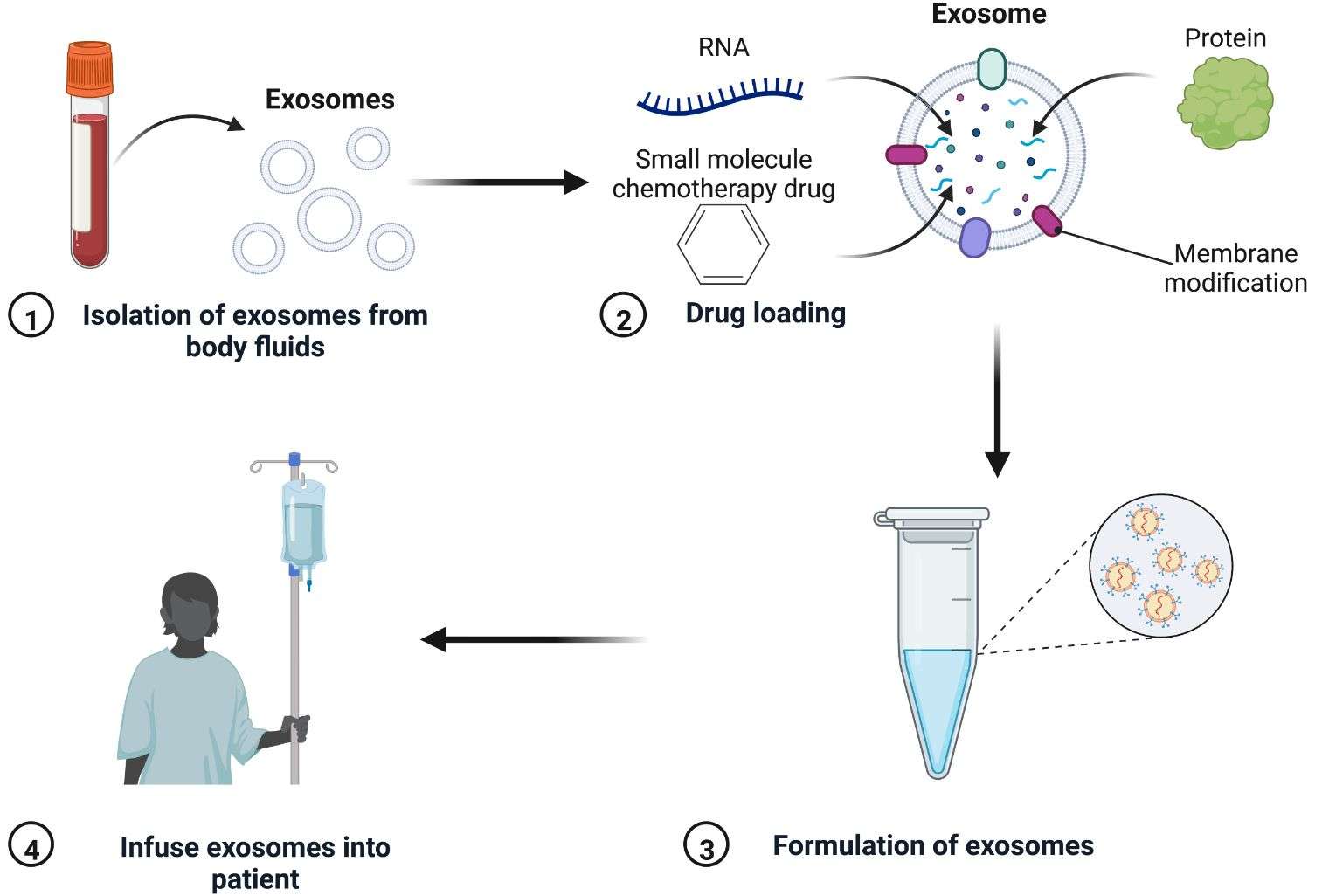
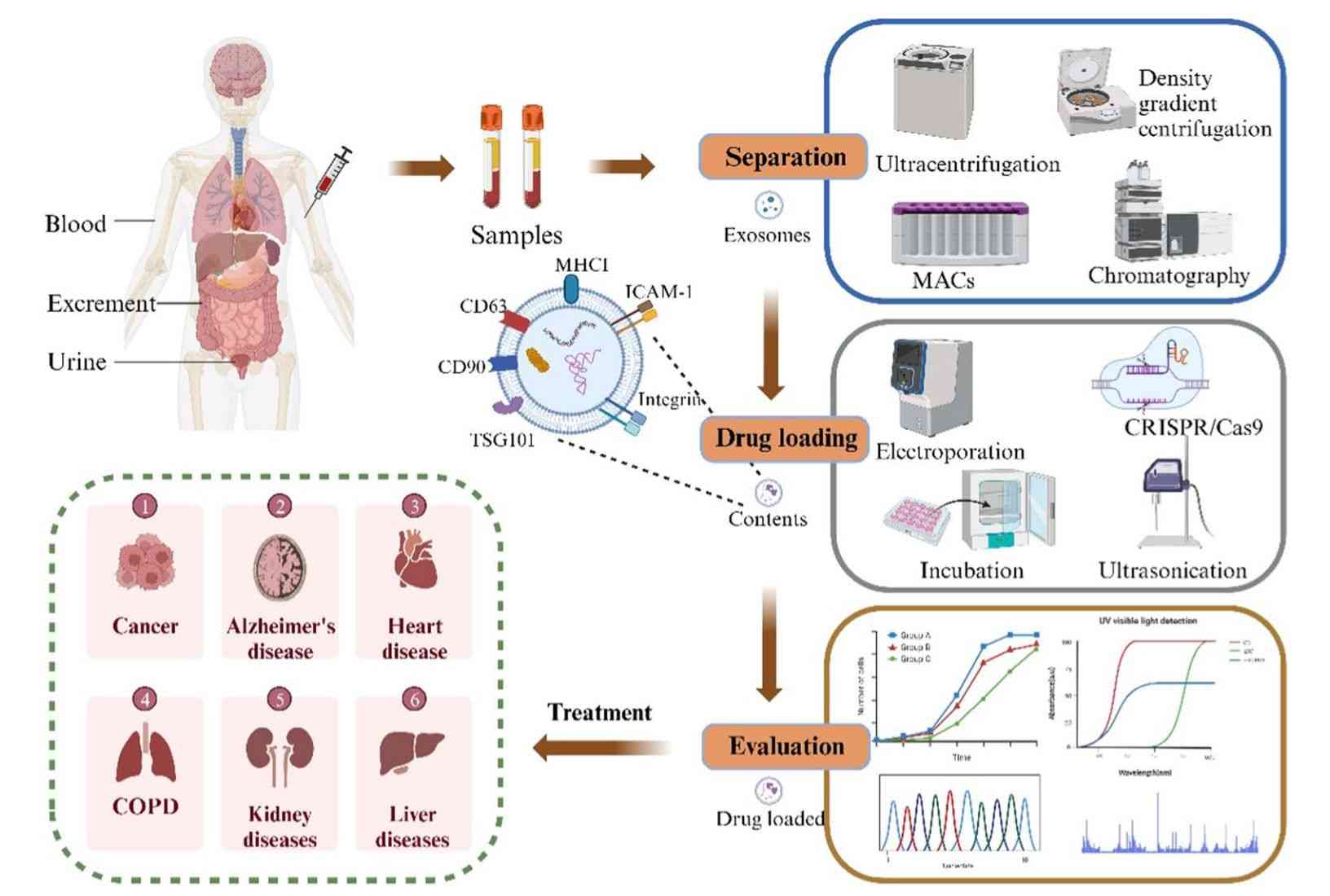
Project Evaluation
We assess the cargo properties, exosome source, and project objectives to define an appropriate loading strategy.
Exosome Input Confirmation
Client-supplied exosomes are evaluated, or exosomes are prepared using the selected production and purification workflow.
Loading Optimization
Suitable loading methods and key parameters are screened to improve cargo incorporation performance.
Post-Loading Purification
Free or loosely associated cargo is removed to improve sample quality and analytical reliability.
Quality Assessment
Loaded exosomes are characterized for particle properties, membrane integrity, marker expression, and loading performance.
Data Delivery
A technical report is provided with experimental data, analysis, and optional downstream support.
 Figure 2. Exosome Small Molecule Loading Service Workflow. (Creative Biostructure)
Sample Requirements for Exosome Loading Projects
Clients may provide purified exosomes or discuss customized upstream preparation options with us. To support workflow design and loading optimization, we recommend providing essential information on both the exosome input and the small molecule cargo, and our team can further offer tailored input requirements based on the specific project.
| Category | Recommended Information |
|---|---|
| Exosome Input | Exosome source |
| Particle concentration | |
| Sample volume | |
| Buffer composition | |
| Storage and shipping conditions | |
| Existing characterization data, if available | |
| Small Molecule Cargo | Compound name and basic chemical information |
| Purity and supplier details | |
| Solubility profile | |
| Recommended solvent system | |
| Stability information | |
| Known spectral or analytical properties | |
| Safety handling notes |
What Deliverables Will You Receive?
Deliverables are customized according to project scope, but typically include:
- Project summary and experimental design overview
- Loading strategy description
- Optimization results and selected condition summary
- Exosome characterization data before and after loading
- Loading efficiency or encapsulation efficiency results
- Cargo quantification results
- Purification and recovery information
- Raw and processed analytical data
- Technical report with interpretation and recommendations
Optional deliverables may also include cellular uptake results, release assay data, and functional assay findings.
Applications of Exosome Small Molecule Loading
Our exosome small molecule loading service can support a wide range of research and development programs, including:
- Drug delivery feasibility studies
- Anti-cancer compound delivery research
- Anti-inflammatory molecule transport studies
- Neuroactive small molecule delivery exploration
- Regenerative medicine formulation research
- Imaging probe and tracer incorporation
- Exosome-based carrier development for preclinical investigation
- Comparative studies between exosome and synthetic nanocarriers
- Personalized or disease-specific delivery concept validation
Why Choose Creative Biostructure for Exosome Drug Loading?
Creative Biostructure is committed to providing high-quality exosome engineering and characterization solutions for research clients worldwide. For exosome small molecule loading projects, we offer:
- Customized technical routes rather than rigid standard packages
- Flexible compatibility with different cargo types and exosome sources
- Integrated workflow support from loading to purification and QC
- Broad analytical capabilities for exosome and cargo characterization
- Project-oriented optimization strategies designed around your research goals
- Professional data reporting to support publication, internal evaluation, and project decisions
Our team understands that exosome-based formulation studies often require careful balancing of loading efficiency, vesicle integrity, and downstream functionality. We aim to help clients achieve this balance through rational workflow design and robust technical support.
Case Study
Case: Dapagliflozin-Loaded Exosome Mimetics for Diabetic Wound Healing
Background
Researchers developed dapagliflozin-loaded exosome-mimetic nanovesicles derived from iPSC-engineered endothelial cells to improve endothelial-targeted delivery and promote diabetic wound healing through angiogenesis.
Methods
DA-loaded nanovesicles were prepared by extrusion, followed by characterization, endothelial uptake evaluation, in vitro functional assays, and in vivo diabetic wound healing studies.
Key Findings
The DA-loaded exosome mimetics showed effective endothelial targeting, enhanced angiogenesis, accelerated wound closure, and upregulated the HIF-1α/VEGFA pathway.
Conclusion
This study demonstrates that exosome-mimetic vesicles can serve as an efficient small molecule delivery platform for diabetic wound healing.
 Figure 3. Preparation and Characterization of DA-Loaded Exosome Mimetics. (Zhang W, et al., 2023)
Looking for a reliable partner for exosome small molecule loading and characterization? Contact us to discuss your project needs and receive customized technical support.
References
- Zeng H, Guo S, Ren X, et al. Current strategies for exosome cargo loading and targeting delivery. Cells. 2023, 12(10): 1416.
- Zhang W, Wang L, Guo H, et al. Dapagliflozin‐loaded exosome mimetics facilitate diabetic wound healing by HIF‐1α‐mediated enhancement of angiogenesis. Advanced Healthcare Materials. 2023, 12(7): 2202751.
Frequently Asked Questions
For any inquiries, our support team is ready to help you get technical support for your research and maximize your experience with Creative Biostructure.